FAA Launches Investigation After Near Mid-Air Collision Between Delta Regional Jet and B-52 Bomber Over North Dakota


The Federal Aviation Administration (FAA) has launched an investigation into a close-call incident involving a Delta Connection regional jet and a U.S. Air Force B-52 bomber near Minot International Airport in North Dakota.
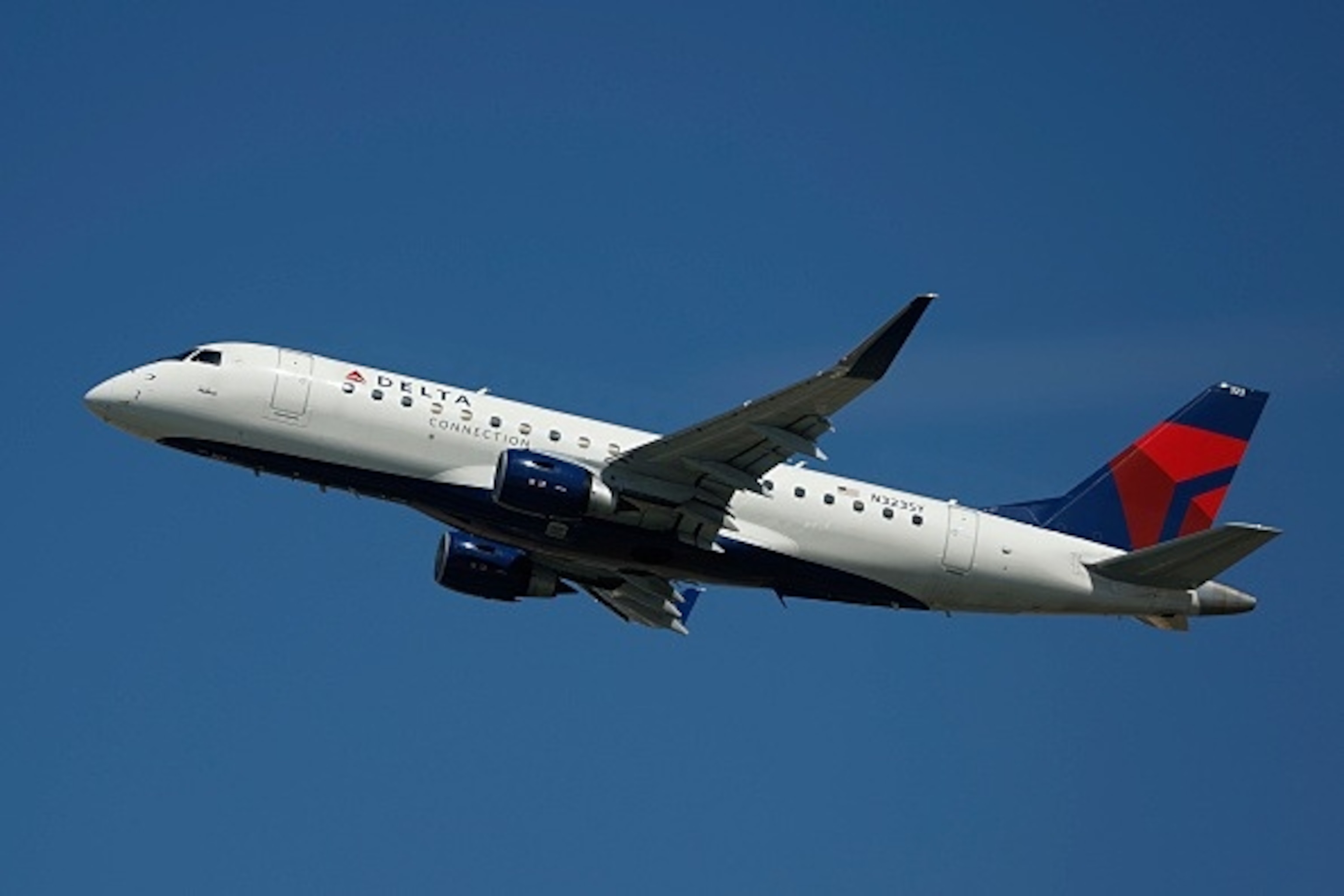
The event occurred on Friday, July 19, 2025, when a SkyWest-operated Delta Connection flight en route from Minneapolis to Minot was forced to make an abrupt evasive maneuver to avoid a potential mid-air collision with the military aircraft.
Passenger Recounts Sudden Midair Swerve
Passengers aboard the Embraer E175LR jet reported a jarring and unexpected series of turns during the aircraft’s final approach to Minot.
“All of a sudden we just jerk really hard to the right—we just kept taking more turns and more turns,” said Monica Green, a passenger onboard, speaking to ABC News. “Then the pilot got on the announcement and said, ‘I’m sorry everybody, I’ll explain everything once we’ve landed safely.’”
Upon landing, the pilot apologized to passengers for the aggressive maneuver, explaining the emergency action was necessary to avoid a faster-moving aircraft that suddenly entered their airspace.
Pilot Describes the Encounter: “Not a Fun Day at Work”
According to an audio recording of the post-flight announcement, the pilot described the B-52’s speed and lack of warning as contributing factors to the evasive turn:
“Given his speed… I don’t know how fast they were going, but they were a lot faster than us,” the pilot said.
“I felt it was the safest thing to do to turn behind it… I don’t know why they didn’t give us a heads-up, because the Air Force base does have radar. Long story short, it was not fun. But I do apologize for it and thank you for understanding. Not a fun day at work.”
While the exact distance between the two aircraft remains unclear, the FAA confirmed it is investigating how the close encounter occurred and whether any cockpit warning systems—such as TCAS (Traffic Collision Avoidance System)—were triggered.
Air Force Acknowledges B-52 Flyover During State Fair
In a statement to ABC News, a U.S. Air Force spokesperson confirmed a B-52 bomber from Minot Air Force Base was performing a flyover of the North Dakota State Fair on the evening of the incident. However, they did not directly address the proximity of the bomber to the Delta jet.
“We are aware of the recent reporting regarding commercial and Air Force aircraft operating in airspace around Minot International Airport. We are currently looking into the matter,” the spokesperson said.
Minot International Airport lies just miles from the military base and is classified as a Class D airspace facility—meaning it operates without radar and under Visual Flight Rules (VFR). The air traffic controllers at Minot are contractors, not FAA employees, adding another layer of complexity to how aircraft are managed in the area.
SkyWest Confirms Go-Around, Launches Internal Review
In a statement issued Monday, SkyWest Airlines, which operates the regional flight on behalf of Delta, confirmed that Flight 3788 had been cleared for approach by the tower but was forced to perform a go-around when the other aircraft suddenly appeared in its path.
“SkyWest flight 3788, operating as Delta Connection from Minneapolis to Minot, landed safely in Minot after being cleared for approach by the tower but performed a go-around when another aircraft became visible in their flight path. We are investigating the incident,” a SkyWest spokesperson said.
The airline emphasized that passenger safety remained the top priority and that a thorough investigation is underway to determine how the situation developed.
A Wake-Up Call for Civil-Military Coordination?
The near miss has reignited conversations around civil-military coordination in shared airspace, especially around facilities like Minot that operate without radar coverage. Aviation analysts note that while flyovers and military exercises are common near Air Force installations, communication lapses can pose serious risks to civilian flights.
The FAA’s ongoing investigation will likely explore whether appropriate airspace deconfliction procedures were followed, whether radar tracking systems were used by military controllers, and whether the Delta crew received adequate notice of the bomber’s presence.
Conclusion: A Close Call That Demands Answers
Though no injuries or damage occurred, the frightening incident has left passengers shaken and aviation authorities searching for answers. With growing civilian air traffic and ongoing military operations, Friday’s event underscores the critical need for enhanced coordination, radar oversight, and situational awareness—especially in areas where civil and military aviation intersect.
The FAA has not yet provided a timeline for concluding its investigation, but the incident will likely serve as a case study in flight safety and airspace management for months to come.