Tanzania Blocks Access to X (Formerly Twitter), Citing Pornographic Content and Ethical Violations

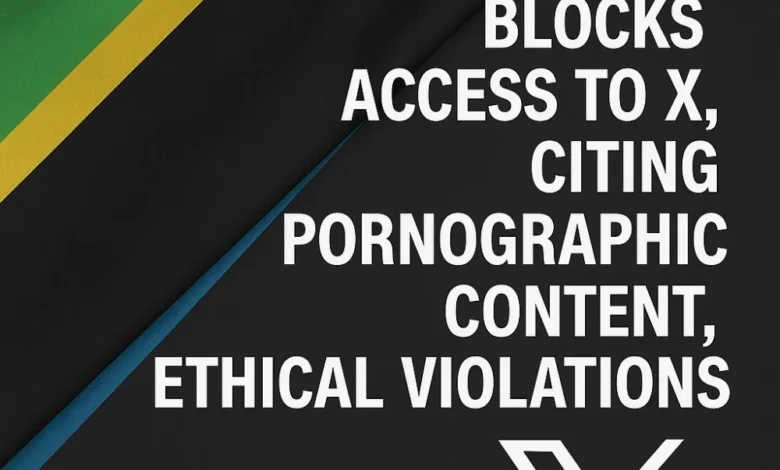
The government of Tanzania has officially confirmed that its decision to block access to X (formerly Twitter) stems from concerns over the platform’s allowance of explicit sexual content, including same-sex pornography. The ban, which has now been in place for over two weeks, is part of what the government calls an effort to uphold national laws, culture, and online ethics.
Speaking during a televised interview, Tanzania’s Minister of Information, Jerry Silaa, said the platform violated Tanzania’s digital content regulations, making it unsuitable for unrestricted public access.
“X allows pornographic material, including same-sex content, which contradicts our ethics and culture,” Silaa stated. “We must ensure that all online platforms adhere to our laws. Even on YouTube, there are restrictions in place to protect consumers.”
Crackdown on X Sparks Concern Over Digital Freedoms
While the government has maintained that its primary concern is content moderation and consumer protection, the ban has been met with backlash from human rights organizations and civil society groups.
The Legal and Human Rights Centre (LHRC) expressed concern over what it called a “disturbing pattern of digital repression”—especially as Tanzania moves closer to its October 2025 general elections.
“This is not the first time X has been restricted. It also happened ahead of the 2020 elections,” LHRC said in a statement. “The timing suggests this is more about stifling dissent and controlling political discourse than protecting ethics.”
The group also criticized the government’s inconsistent use of the platform, noting that while the public is barred from accessing X, some government agencies and officials continue to post content on the platform.
X Shutdown Possibly Tied to Hacked Police Account and Political Unrest
Though the government cites pornographic content as the reason for the ban, initial reports from global internet observatory NetBlocks suggest a different motivation may have triggered the move.
On May 20, X suddenly became unreachable across major internet service providers in Tanzania. According to NetBlocks, the blackout coincided with a cyberattack on the official Tanzania Police Force (TANPOL) X account, which was used to spread false claims of President Samia Suluhu Hassan’s death.
“Live metrics show X (formerly Twitter) has become unreachable on major internet providers in #Tanzania,” NetBlocks reported. “This follows a high-profile hack of the police’s official account used to falsely announce the President’s death.”
The incident stirred public confusion and reportedly angered national leadership, adding a layer of political tension to an already volatile atmosphere in the country.
Ongoing Political Tensions and Government Crackdowns
The X shutdown is not an isolated event. In August 2024, the platform was also taken offline following the arrest of opposition leader Tundu Lissu, a prominent figure who survived an assassination attempt in 2017 and now faces treason charges.
Lissu’s party, Chadema, has since been banned from participating in the upcoming elections. The crackdown has widened to include foreign civil society workers, with Kenyan activist Boniface Mwangi and Ugandan lawyer Agather Atuhaire reportedly detained while carrying out advocacy work. Their current status and whereabouts remain unknown.
These actions have fueled allegations that Tanzania is tightening its grip on digital and civic freedoms under the guise of moral policing and national security.
Access to Other Platforms Also Restricted
Tanzania’s clampdown extends beyond X. Users also report that popular platforms like Telegram and Clubhouse are now inaccessible without VPNs. However, using a VPN in Tanzania can result in up to 12 months in prison, creating a chilling effect on digital engagement.
Over 80,000 Online Platforms Taken Down in May
In a further move to sanitize the internet, the Tanzania Communications Regulatory Authority (TCRA) recently announced the removal of over 80,000 websites, blogs, and online accounts, citing the need to protect children’s mental health.
According to Deputy Minister for Information, Culture, Arts, and Sports, Hamis Mwijuma, the TCRA targeted platforms hosting what it deemed unethical or harmful content.
“A total of 80,171 digital platforms were found to publish content that poses a risk to children’s mental well-being,” Mwijuma told Parliament.
What This Means for Tanzania’s Digital Future
The Tanzanian government’s justification for banning X—centered on cultural preservation and ethical concerns—clashes with critics’ fears about growing authoritarianism and digital censorship.
As the 2025 elections approach, observers warn that such restrictions could suppress free speech, silence opposition, and shrink the already limited space for civic discourse.
Whether the government will reverse course remains unclear. For now, access to X and other major platforms remains heavily restricted, and tensions continue to rise in one of East Africa’s most politically sensitive nations.