NCC Unveils Plans for Robust Cybersecurity Framework to Protect Nigeria’s Telecom Industry

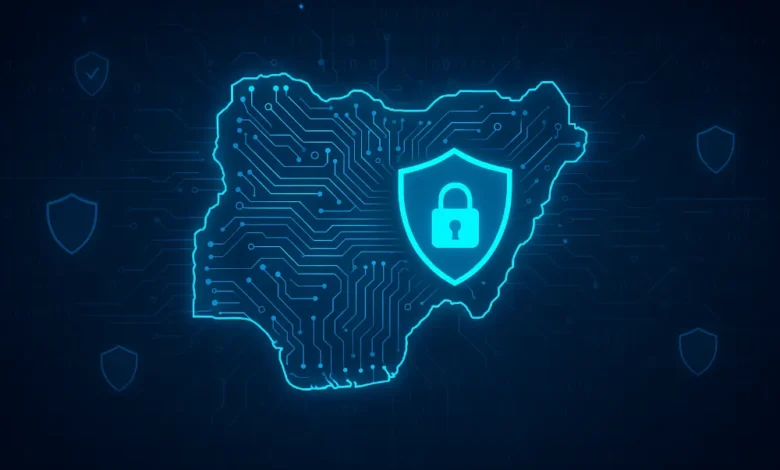
As digital threats continue to rise globally, the Nigerian Communications Commission (NCC) has taken a major step toward safeguarding the country’s telecommunications infrastructure by developing a comprehensive cybersecurity framework tailored for the industry.
The announcement was made during a high-level regulatory meeting held in Lagos on Wednesday, where Dr. Aminu Maida, Executive Vice Chairman (EVC) of the NCC—represented by Abraham Oshadami, Executive Commissioner of Technical Services—highlighted the urgent need for strengthened digital security in the rapidly expanding telecom sector.
A Booming Sector Facing Growing Threats
Nigeria’s telecommunications industry has experienced remarkable growth in recent decades. From fewer than 500,000 phone lines in 2001, the country now boasts over 172 million active subscribers and 141 million internet users. While this surge has fueled economic growth and social inclusion, it has also exposed the sector to increasing cyber risks.
“The exponential growth in subscriber numbers comes with a higher risk of cyberattacks,” Dr. Maida stated. “Government infrastructure, in particular, is becoming an attractive target for cybercriminals.”
Why the Cybersecurity Framework Matters
To address these emerging challenges, the NCC has embarked on the development of a national cybersecurity framework aimed at bolstering defenses across the telecom industry.
According to Dr. Maida, the framework’s key objectives include:
-
Establishing a unified and resilient cybersecurity posture across the telecom ecosystem
-
Enhancing the protection of critical telecom infrastructure
-
Safeguarding consumer data and privacy
-
Aligning with the National Cybersecurity Strategy and international best practices
-
Building industry-wide capacity to prevent, detect, respond to, and recover from cyber incidents
Citing data from the UN Economic Commission for Africa, Maida noted that a 10% increase in cybersecurity maturity could significantly boost per capita GDP growth across African nations—emphasizing the economic benefits of robust digital security.
Minimum Cybersecurity Standards for Operators
The proposed framework is set to outline minimum cybersecurity requirements for telecom operators in Nigeria. These will cover key areas such as:
-
Cyber incident reporting protocols
-
Risk assessment and management standards
-
Mandatory information sharing with regulators
-
Industry collaboration on cyber resilience
The initiative will draw its legal foundation from existing legislation, including the Cybercrime Prevention Act of 2015 and the Nigerian Data Protection Act of 2023, both of which mandate stronger cybersecurity measures in critical sectors like telecommunications.
Abraham Oshadami emphasized that the regulatory meeting in Lagos was intended to gather input from stakeholders to ensure that the framework is both comprehensive and practical. “Cybersecurity is no longer optional. It is now a mandatory requirement for our sector,” he stressed.
Industry Voices and Technical Insights
Cybersecurity experts present at the meeting underscored the need for the framework to evolve in tandem with technological advances.
Dr. Kazeem Durodoye, CEO of Cybernovr, called for the framework to account for newer technologies such as Open RAN and network virtualisation, which have altered risk profiles across 2G, 3G, and 5G networks.
He further highlighted the impact of emerging threats, including quantum-level cryptography, artificial intelligence, and machine learning, which are increasingly being leveraged in sophisticated cyberattacks.
Durodoye revealed that the framework would classify telecom operators into risk-based tiers, ensuring that those handling large volumes of sensitive data or performing critical operations receive targeted oversight. He added that a draft version of the framework will be circulated to the industry for review in the coming weeks.
Charting the Way Forward
Chairman of the NCC Committee on Cybersecurity Framework Development, Babagana Digima, explained that the project aims to streamline cybersecurity operations and close critical security gaps across Nigeria’s telecommunications sector.
Before implementing new safeguards, Digima emphasized the need for a baseline assessment to understand the current cybersecurity posture of operators. This, he said, would ensure that future policies are grounded in real-world data.
“The Commission is fully committed to collaborating with industry stakeholders to create a secure, reliable, and resilient digital environment for all Nigerians,” Digima concluded.
Final Thoughts
As cyber threats evolve in scale and complexity, Nigeria’s proactive move to strengthen its telecommunications cybersecurity framework is both timely and necessary. By combining regulatory oversight, industry collaboration, and global best practices, the NCC’s initiative could serve as a benchmark for other sectors—and a crucial step in fortifying Nigeria’s digital future.