Iran Urges Citizens to Delete WhatsApp Amid Rising Tensions with Israel, Citing Unproven Spy Claims

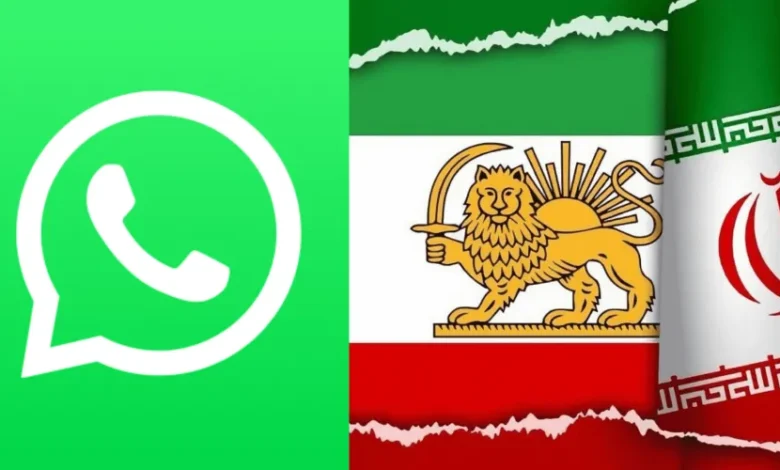
In a move that underscores growing digital censorship and geopolitical tension, Iranian state authorities have officially urged citizens to delete WhatsApp from their devices, alleging that the app shares sensitive user data with Israeli intelligence agencies. The directive, announced on state-run Islamic Republic of Iran Broadcasting (IRIB), arrives at a time when the region is engulfed in conflict and information warfare.
This development marks the latest escalation in Iran’s longstanding campaign to restrict foreign technology platforms, particularly those owned by U.S. firms. WhatsApp, a Meta-owned encrypted messaging service, is used by an estimated 50 million Iranians—over half the country’s population—and plays a critical role in day-to-day communication, especially amid ongoing conflict.

Accusations Amid Escalating Conflict
The timing of the warning is no coincidence. On June 12, Israel launched a series of airstrikes targeting Iranian nuclear and military infrastructure. Iran retaliated with coordinated missile and drone attacks. Now six days into the conflict, more than 200 lives have been lost on both sides, and tensions continue to escalate.
In response, Iran has ramped up internal security measures, including targeted internet restrictions, limiting access to global platforms and tightening surveillance. Officials claim the use of messaging apps like WhatsApp could expose user locations and communications to foreign surveillance—specifically Israeli intelligence.
A statement aired on IRIB accused WhatsApp of collecting “last-known locations and communications” of users and alleged that this data is being transmitted to foreign agencies. However, no concrete evidence was provided to support these claims.
Meta Denies Allegations
Meta, the parent company of WhatsApp, swiftly responded to the accusations, categorically denying any data-sharing practices with governments, including Israel.
“We do not track your precise location, we don’t keep logs of who everyone is messaging, and we do not provide bulk information to any government,” said a WhatsApp spokesperson.
“End-to-end encryption ensures that even we can’t see message contents. These false reports raise concerns about censorship during a critical time when open communication is vital.”
Meta’s rebuttal highlighted growing concerns that the Iranian government may be using misinformation as a pretext to limit digital freedom in the name of national security.
The Bigger Picture: Tech Suppression and Information Control
The government’s recommendation to delete WhatsApp is part of a broader strategy that includes discouraging the use of location-based apps, limiting public internet use, and barring civil servants and security staff from using networked devices altogether.
Reports from NetBlocks and Cloudflare confirmed a major dip in international bandwidth, a tactic Iran has historically used during protests or high-alert situations to minimize internal unrest and block external scrutiny.
Meanwhile, citizens have responded by increasingly turning to VPNs to evade censorship. Since June 13, VPN usage has surged over 700%, according to data from TechRadar. But even these tools are under siege as Iranian authorities work to throttle or block them.

A Platform in the Crosshairs
WhatsApp has long been a target of Iranian regulators. In 2022, during the nationwide protests following the death of Mahsa Amini, the government banned access to both WhatsApp and Google Play. Although access was quietly restored in December 2024, the current warning appears to signal a renewed wave of digital suppression.
Though the latest directive doesn’t constitute an outright ban, tech analysts view it as a precursor to more severe restrictions. The situation reflects a troubling pattern where states weaponize cybersecurity concerns—often without evidence—to justify crackdowns on free speech and global connectivity.
International Reaction and the Road Ahead
The U.S. State Department has expressed alarm. In a June 18 briefing, a spokesperson noted that Iran’s actions align with a broader pattern of suppressing digital expression and tightening control over the information space.
“The Iranian government’s announcement is part of a worrying trend of shutting down communication under the guise of national security,” the spokesperson said.
As the conflict with Israel intensifies, Iran’s push to isolate its digital ecosystem may gain momentum. Analysts warn that platforms like Instagram, Telegram, and even Google services could face similar scrutiny in the coming days.
Conclusion: A New Front in the Information War
Iran’s push to delete WhatsApp amid a hot war with Israel isn’t just a cybersecurity issue—it’s a reflection of the growing intersection between digital privacy, geopolitics, and authoritarian control. For millions of Iranians already burdened by economic sanctions, censorship, and surveillance, this latest directive threatens to sever one of the last accessible threads to the outside world.
As VPN use spikes and tech firms fight disinformation, the battle for truth and access in Iran is no longer just on the battlefield—it’s playing out across servers, satellites, and smartphone screens.
Whether Iran proceeds to a full ban or steps back, the move sets a global precedent for how governments may increasingly weaponize digital mistrust to control narratives and populations.