inDrive Confirms Participation in Lagos Assembly Hearing Amid Mounting Criticism Over Driver Safety and Fair Wages

June 16, 2025
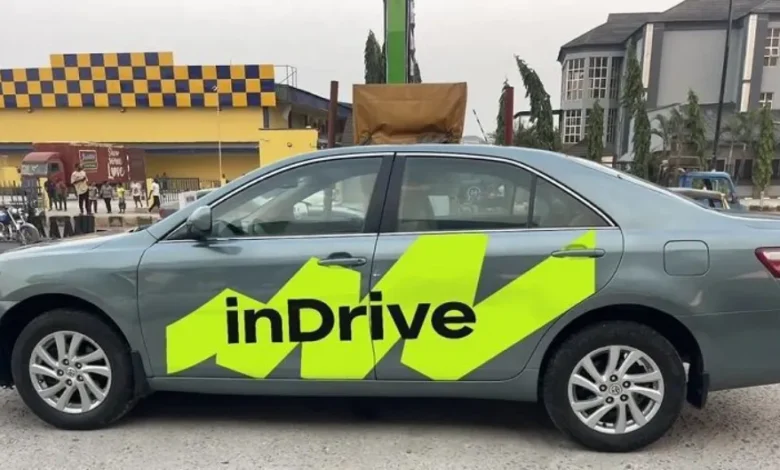
LAGOS, NIGERIA – Ride-hailing platform inDrive has confirmed that it will participate in a high-stakes public hearing convened by the Lagos State House of Assembly, following widespread concerns about driver welfare, safety, and pricing practices within Nigeria’s ride-hailing industry. The hearing, scheduled for Tuesday, June 16, is expected to bring major industry players — including inDrive, Uber, and Bolt — before lawmakers for an open dialogue with stakeholders.
The session stems from a formal petition filed by the Lagos chapter of the Amalgamated Union of App-based Transporters of Nigeria (AUATON). Led by Comrade Jaiyesimi Azeez, the union is demanding a complete overhaul in how ride-hailing platforms classify drivers, proposing they be officially recognized as employees rather than independent contractors — a move that could drastically change Nigeria’s gig economy landscape.
AUATON’s Core Demands
According to the union’s petition, drivers should not only be reclassified as workers but should also receive full employment benefits, including health coverage and job security. The union also flagged serious safety concerns, demanding strict passenger and driver verification protocols amid a growing number of reported violent encounters between drivers and riders.
Additionally, AUATON called for a review of the commission structures, alleging that ride-hailing companies often deduct more than the agreed 25% commission, leaving drivers with meager earnings despite long hours on the road.
inDrive Responds to the Summons
In a statement shared with Technext, an inDrive spokesperson confirmed the company’s attendance and readiness to engage in dialogue:
“Yes, we are aware of the invitation and confirm that we will be represented at the hearing tomorrow. The hearing aims to address key concerns raised in the petition submitted by the drivers’ union (AUATON), including the proposed reclassification of drivers as employees, the implementation of passenger verification protocols in response to rising attacks against drivers, and issues related to pricing and commission structures. We look forward to participating in the discussion and contributing to a constructive dialogue on these important matters.”
A Platform Under Scrutiny
inDrive’s presence at the hearing will be closely watched, especially considering the company has faced a spate of alarming incidents on its platform in recent months — many of which have sparked public outrage and renewed calls for regulatory action.
One notable incident involved Pascaline, a female rider who was allegedly robbed and stabbed after booking a ride via inDrive at 2 a.m.. According to her account, the driver diverted from the planned route, stopped in a remote location, pulled a knife, and assaulted her before stealing her belongings. inDrive has denied the incident occurred via its platform.
In another case, a woman named Aderemi was allegedly beaten by a driver after she refused to pay the full fare, citing the driver’s refusal to turn on the vehicle’s air conditioning. The driver was subsequently suspended by inDrive, as were others involved in similar assaults — including a case where a male driver physically attacked a female driver during a dispute over taking offline trips.

These incidents prompted Technext to conduct a deeper investigation, which found that a core driver of conflict on the inDrive platform is pricing pressure — a consequence of the company’s user-driven fare model.
The Pricing Controversy
inDrive’s unique pricing system allows riders to suggest fares, with drivers accepting or rejecting the offer. While the model was intended to empower users and increase flexibility, drivers argue it has created a race to the bottom, where desperate drivers accept unreasonably low fares just to stay active on the platform.
Although inDrive charges only 10% commission — significantly lower than competitors — many drivers claim this model leaves them with insufficient earnings, especially after accounting for fuel, vehicle maintenance, and time.
These concerns recently led to a one-day boycott of the app by drivers in Lagos, protesting low fares and poor treatment.
📌 See also: Drivers Boycott inDrive App on April 1 Over Low Fares and Underpayment
What’s at Stake?
The public hearing will provide a rare opportunity for regulators, ride-hailing companies, and transport unions to debate the future of Nigeria’s app-based transport sector. With growing pressure on the government to address both worker exploitation and rider safety, the outcome of this hearing could shape new regulatory frameworks, affect pricing structures, and possibly push app companies toward labour reforms.
inDrive, despite holding a significant share of the Lagos ride-hailing market, will need to defend its controversial business model, and address allegations of poor driver protections and weak accountability structures.

Final Thoughts
As calls for reform grow louder, and public scrutiny increases, tomorrow’s hearing could mark a turning point for digital transportation in Nigeria. The inDrive case illustrates the complex challenges facing gig platforms in Africa — balancing profitability, rider satisfaction, and driver welfare — in a fast-evolving regulatory landscape.
All eyes will be on the Lagos State House of Assembly as it tackles the burning questions of safety, fairness, and responsibility in Nigeria’s ride-hailing industry.
Stay tuned for full coverage of the June 16 hearing and expert analysis on its implications for the future of ride-hailing in Nigeria.