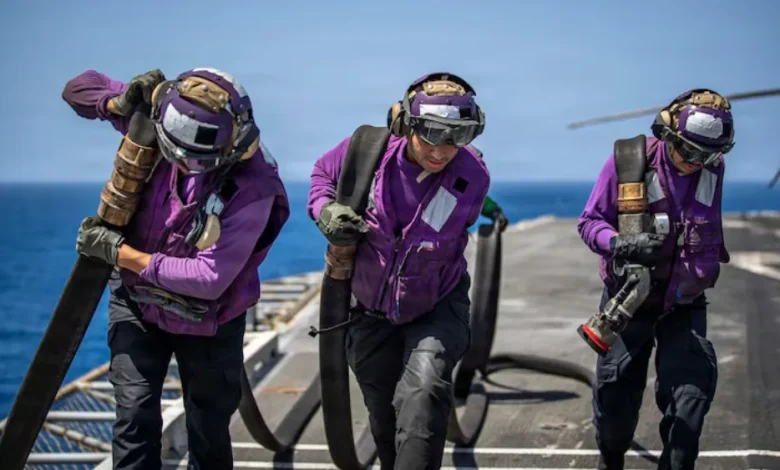
The Pentagon is facing mounting financial pressure as unplanned expenses pile up, with fuel costs emerging as one of the biggest strains over the past year.
Records from the U.S. Department of Defense show the average price it paid for fuel jumped from $154.14 per barrel in October to $195.72 by April—an increase of nearly 27% in just six months. These figures reflect average costs across more than two dozen fuel types used by the military, including gasoline and jet fuel.
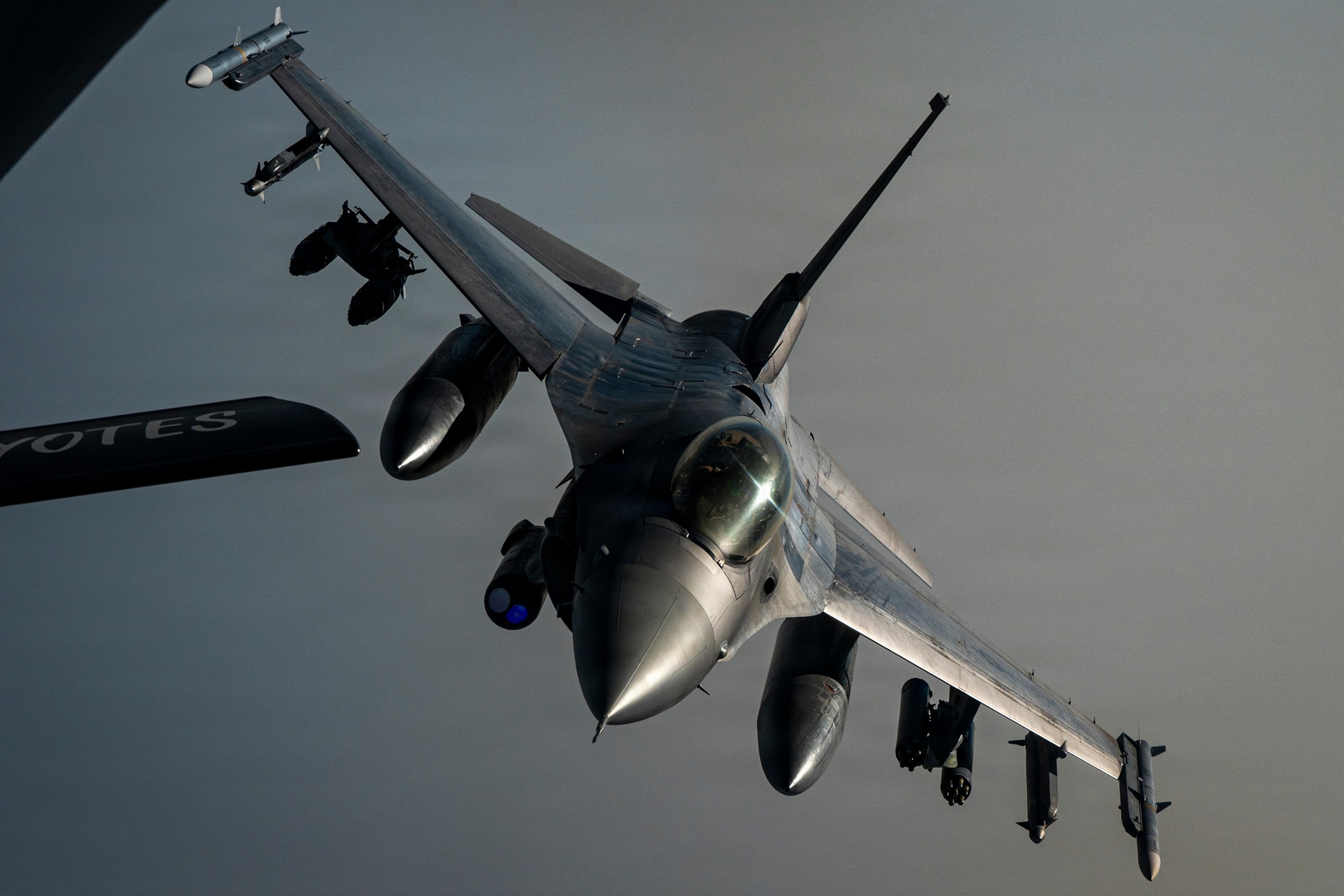
Fuel prices have surged amid the Iran war, a spike that could leave the Pentagon absorbing more than $1 billion in unexpected costs this year alone. The department consumes roughly 80 million barrels of fuel annually to power aircraft, armored vehicles, ships, and other equipment.
The impact goes beyond operations. Rising civilian fuel prices and higher commercial airfares are also driving up the cost of troop travel, which often relies on commercial flights, rental vehicles, and mileage reimbursements. As a result, military travel is under intense scrutiny. Since at least April, some units have sharply reduced or outright canceled training-related travel, according to U.S. officials and internal documents.
An Army spokesperson said volatile energy markets are driving up transportation costs for personnel and equipment, forcing the service to prioritize spending to preserve funding for critical missions and readiness.
Internally, the United States Army is confronting a projected $4 billion to $6 billion budget shortfall through the end of the fiscal year on September 30. Officials attribute the gap to several factors, including the Iran war, expanded missions along the U.S. southern border, and the growing National Guard presence in Washington, D.C.
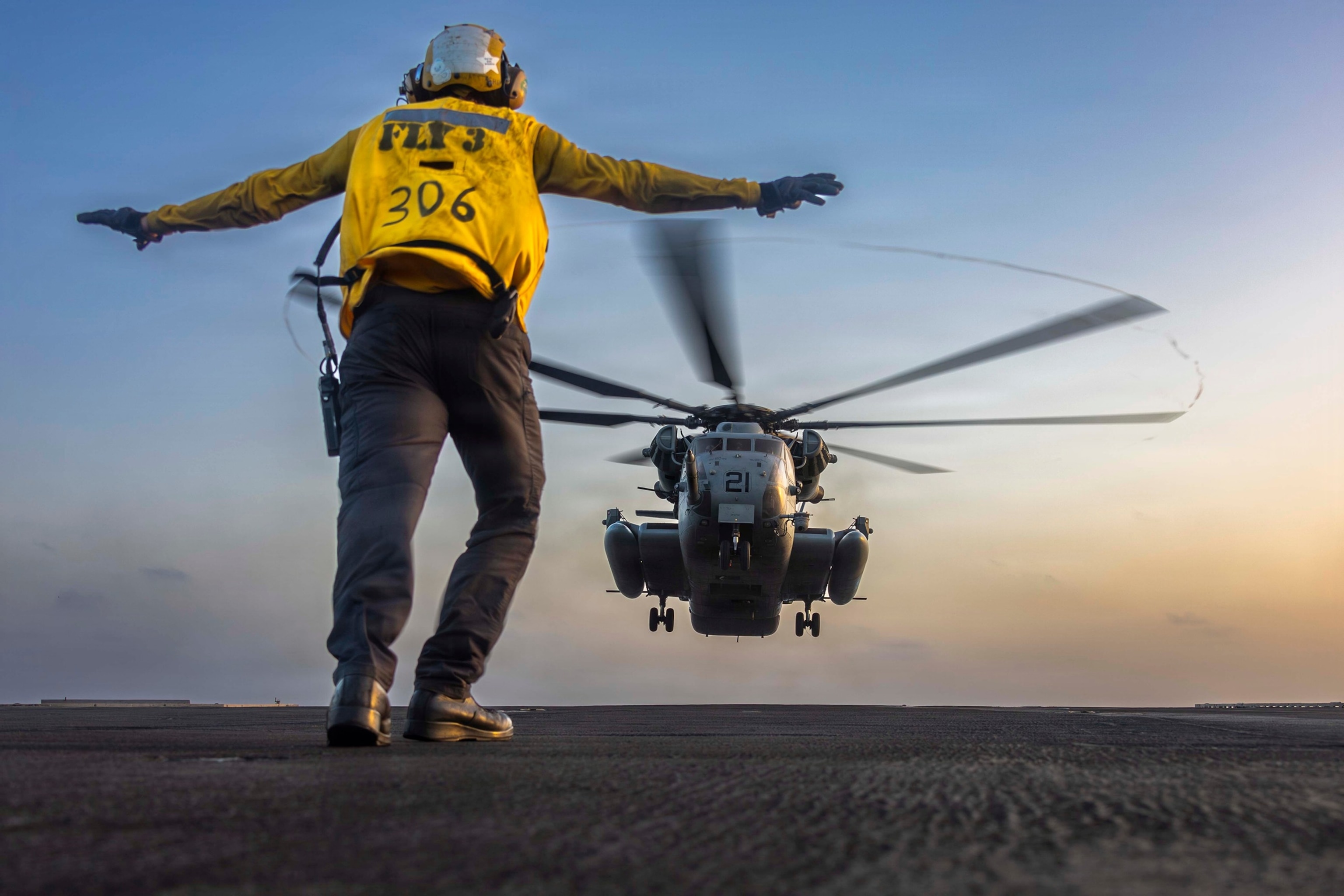
To cope, the Army has eliminated dozens of training courses—affecting medical, engineering, and artillery units—and sharply reduced helicopter flight hours, limiting many crews to minimum requirements. One internal assessment warned that some units scheduled to deploy to Europe next year may lack sufficient training and could take more than a year to recover to pre-war readiness levels.
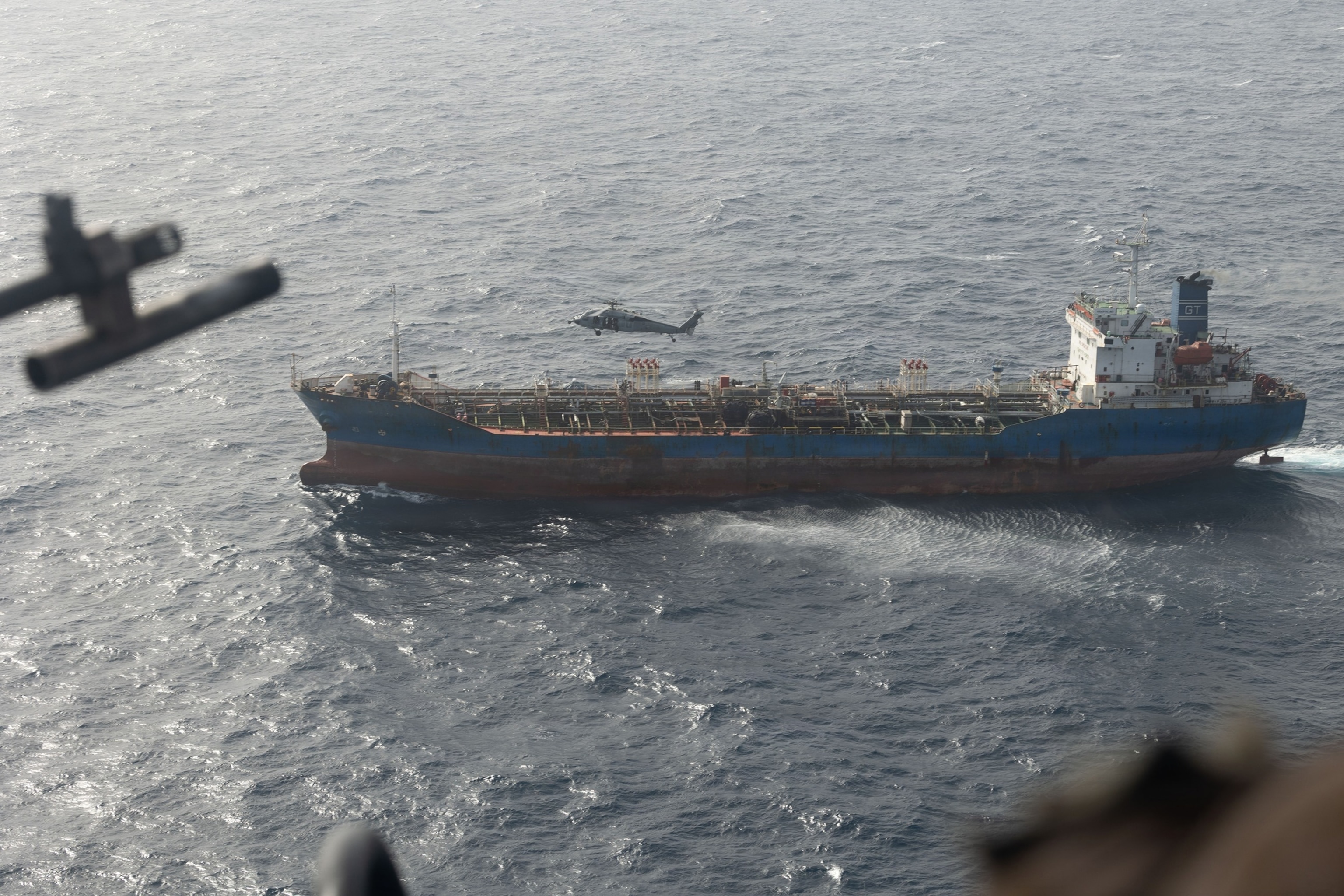
Other branches are also feeling the squeeze. The United States Navy has warned lawmakers it may soon begin running out of money. Navy leadership has cautioned that sustained operations in the Middle East are burning through funds and could force cuts to training, operations, and certification events as early as mid-summer.
While the military uses long-term fuel contracts to reduce exposure to market swings, those agreements allow price adjustments when markets shift, limiting their effectiveness during prolonged spikes. A similar surge followed Russia’s invasion of Ukraine in 2022, when Congress stepped in twice to provide the Pentagon with an additional $5.2 billion for fuel.
Fuel consumption has also exceeded projections. The Air Force reported using about 10% more fuel than expected this year, further compounding costs. Overall, the Defense Department remains the federal government’s largest fuel consumer, burning billions of gallons of jet fuel and hundreds of millions of gallons of diesel annually.
The United States Marine Corps, however, says it is not facing a significant funding shortfall and has not scaled back training, citing routine budget adjustments to manage emerging contingencies and protect core mission needs.