NCC inaugurates new IPv6 Council board, pushes Nigeria’s internet infrastructure upgrade


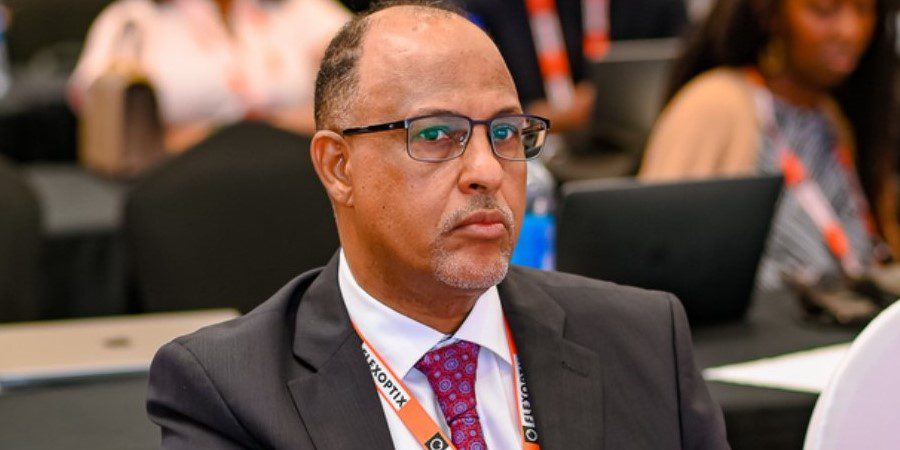
The Nigerian Communications Commission has inaugurated a new board for the Nigerian Internet Protocol version 6 (IPv6) Council, with Muhammed Rudman, Chief Executive Officer of the Internet Exchange Point of Nigeria (IXPN), retaining his position as chairman.
The renewed board signals Nigeria’s continued push toward migrating from IPv4 to IPv6—an upgrade seen as critical to strengthening the country’s internet infrastructure amid rising data consumption, expanding smartphone usage, and increasing demand for IP address capacity.
Why IPv6 matters for Nigeria’s digital future
Speaking at the inauguration, Rudman described the transition as a strategic requirement for Nigeria’s digital transformation and long-term competitiveness. He said IPv6 is central to national development priorities, particularly as new technologies reshape global connectivity.
According to him, the council’s roadmap positions IPv6 as a driver for emerging technologies such as 5G and the Internet of Things (IoT), while also supporting economic diversification and improving network security and performance compared to legacy systems like Network Address Translation (NAT).
He also acknowledged the contributions of outgoing board members, noting that their groundwork helped establish momentum for Nigeria’s ongoing migration efforts.
New board composition
The new council is chaired by Rudman, with a representative of the Nigerian Communications Commission serving as co-chair. Members were drawn from key industry and regulatory bodies, including NITDA, ATCON, NIRA, ALTON, ISPON, and NgREN. ICT experts Chris Uwaje and Latif Ladid will serve as advisers.
Low adoption despite rising demand
IPv6 is the latest internet addressing standard designed to replace IPv4, offering a vastly larger pool of IP addresses and improved routing capabilities. Despite its advantages, Nigeria’s adoption rate remains around 5%, reflecting continued reliance on the older protocol.
This lag comes at a time of surging internet usage. Industry figures show Nigerians consumed about 1.4 million terabytes of data in March 2026 alone, underscoring pressure on existing infrastructure. In comparison, several emerging markets such as Saudi Arabia, India, and Gabon have surpassed 40% IPv6 adoption.

Focus on awareness and capacity building
The new council says its immediate priority is accelerating awareness and technical readiness across the ecosystem. Rudman explained that the strategy will focus on two core pillars: education and capacity development.
Planned initiatives include nationwide workshops, stakeholder engagement sessions, and structured training programmes for network engineers across telecom operators, internet service providers, educational institutions, and financial organisations.
The council will also oversee national IPv6 policy direction, track adoption progress across sectors, and provide regular reports to the federal government. In addition, it is expected to identify bottlenecks in deployment, strengthen local technical expertise, and recommend regulatory measures to speed up migration across the industry.