June 30, 2025
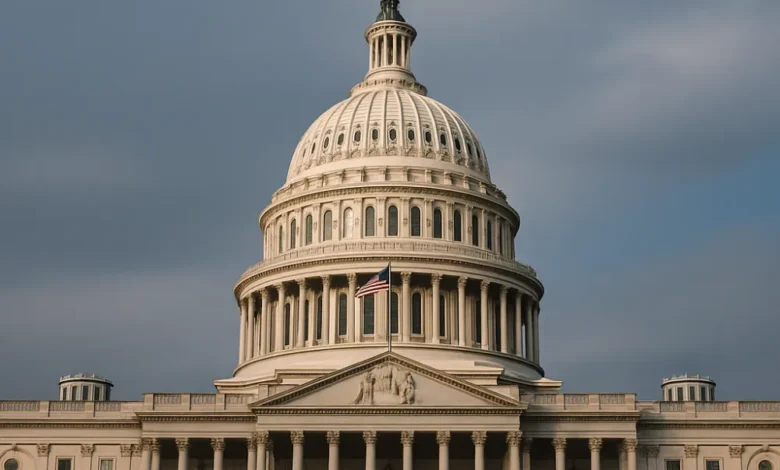
The U.S. Senate officially opened floor debate on Sunday afternoon over President Donald Trump’s sweeping “megabill” — a comprehensive legislative package aimed at fulfilling his second-term policy agenda.
The highly anticipated debate follows a dramatic procedural vote late Saturday night, during which Republican leaders narrowly secured the votes to advance the bill. The motion to proceed came after intense negotiations with conservative holdouts, culminating in Senator Ron Johnson flipping his vote to give Republicans the majority they needed to move forward without Vice President J.D. Vance casting a tiebreaker.
20 Hours of Debate Underway
Under the rules of the budget reconciliation process, up to 20 hours of debate is allotted on the Senate floor. Democrats are expected to use most, if not all, of their 10-hour share to critique and challenge the legislation, while Republicans have signaled they will likely yield back much of their time to expedite the process.
The bill, dubbed informally as the “One Big Beautiful Bill,” combines major provisions on tax reform, immigration enforcement, federal spending cuts, and border security funding — representing the cornerstone of Trump’s second-term agenda.
Following the debate, which is expected to conclude late Sunday night or early Monday morning, the Senate will move into the next phase: an open amendment process. This “vote-a-rama,” as it’s commonly known, could last for hours as senators from both parties propose and vote on numerous amendments.
Senate Parliamentarian Rules Out More Provisions
In a potential setback for Republicans, the Senate parliamentarian — the nonpartisan official who interprets chamber rules — ruled overnight on Sunday that several provisions of the bill do not comply with reconciliation rules. These rules allow a bill to pass with a simple majority and avoid the threat of a filibuster but limit the types of policies that can be included.
Among the rejected provisions were reportedly parts of the Medicaid overhaul and immigration-related policies, which the parliamentarian determined had more policy than budgetary impact.
This ruling adds another layer of complexity to an already razor-thin path forward for the legislation, as Senate Majority Leader John Thune must now rally his caucus around a slightly weakened version of the bill.
What Happens Next?
If the bill passes the Senate, it must return to the House of Representatives, where lawmakers will review and vote on the changes made by the Senate. This process is critical, as the House originally passed its version of the bill by just one vote — underscoring how fragile Republican unity remains on this sweeping measure.
House Speaker Mike Johnson has expressed optimism that the two chambers can align on a final version of the bill before the self-imposed July 4th deadline, a date President Trump has repeatedly emphasized as critical.
A Defining Moment for Trump’s Agenda
For President Trump and his Republican allies, the passage of this bill would mark a landmark legislative victory, cementing his policy direction on immigration, taxation, and spending. It also represents a significant test of the GOP’s ability to govern cohesively in a narrowly divided Congress.
But the final outcome remains uncertain, as several Republican senators who voted to begin debate have not yet committed to supporting the bill’s final passage.
As the debate unfolds, all eyes will be on the Senate floor — where high-stakes negotiations, last-minute amendments, and political brinkmanship are likely to define the fate of one of the most ambitious legislative efforts of Trump’s presidency.