Nigeria and Angola to Lead Africa’s Energy Security Push as Refining Capacity Set to Hit 90% – AFC Report

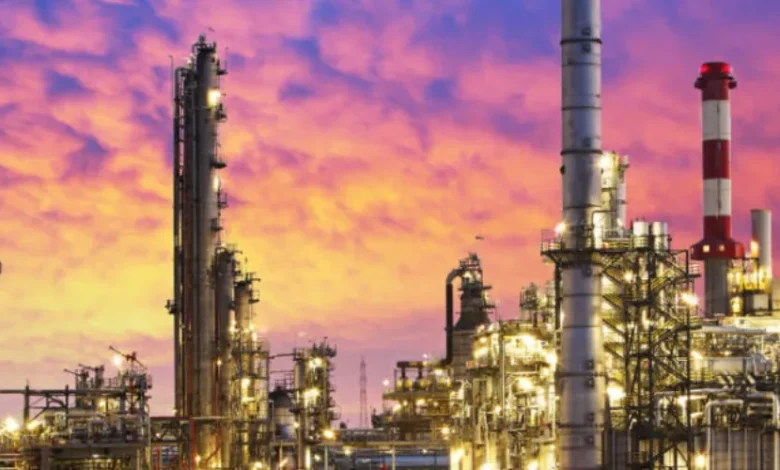
Nigeria and Angola are poised to become the backbone of Africa’s energy transformation, according to the newly published State of Africa’s Infrastructure Report 2025 by the Africa Finance Corporation (AFC). The report highlights the continent’s significant progress in fuel refining capacity, which, if fully optimized, could meet up to 90% of Africa’s fuel demand, a dramatic leap from the current 45%.
The report places Nigeria and Angola at the center of this transformation, crediting their rapidly expanding refining infrastructure and strategic investments in energy security.
Refining Capacity Could Revolutionize Africa’s Energy Landscape
The AFC notes that achieving 90% fuel self-sufficiency hinges on two strategic investment paths:
-
Brownfield Upgrades: An estimated $16 billion is needed to modernize existing refineries across the continent to meet international clean fuel standards and reduce dependency on imports.
-
Greenfield Investments: New projects, particularly in Nigeria and Angola, are essential to meet growing energy demand and establish these nations as regional energy hubs.
“Africa is at an inflection point,” the AFC wrote. “If fully utilized, refining capacity could reduce Africa’s fuel imports from 55% in 2023 to just 10%, a game-changing improvement in energy security.”
Dangote Refinery at the Forefront
The report singles out Nigeria’s Dangote Petroleum Refinery as a cornerstone of this transformation. With a massive processing capacity of 650,000 barrels per day, the refinery—commissioned in May 2023—is already playing a critical role in reducing fuel imports and enhancing domestic fuel supply.
In addition to Dangote, the reopening of the Port Harcourt and Warri refineries between 2024 and 2026 will further increase Nigeria’s refining footprint, positioning the country as a major supplier of refined petroleum products across Africa.
Challenges and Infrastructure Needs
Despite the potential, the AFC report underscores several critical challenges:
-
Feedstock availability
-
Access to financing for new projects
-
Inadequate infrastructure for fuel distribution and logistics
“To achieve true fuel security, Africa must prioritize efficient distribution systems—pipelines, railways, and upgraded ports—to ensure refined products can move swiftly and affordably across the continent,” the report emphasized.
Moreover, AFC calls for resilient energy infrastructure that can adapt to both current fossil fuel needs and future clean energy transitions.
Tinubu Praises Dangote’s Vision
President Bola Ahmed Tinubu recently lauded the Dangote Refinery as “a great point of reference, a great phenomenon of our time, and a massive investment” that reflects Nigeria’s industrial capacity and ambition.
The President commended Alhaji Aliko Dangote, Africa’s richest man, for his ongoing commitment to national development through visionary projects like the refinery.
What This Means for Africa
With the right investment strategy and infrastructure support, Africa could enter a new era of energy self-reliance, ending decades of import dependence and fuel scarcity. Nigeria and Angola’s leadership in refining could also stimulate job creation, industrial growth, and stronger intra-African trade in the energy sector.
The AFC concludes that aligning financial, industrial, and policy initiatives across Africa will be critical to achieving sustainable energy security and long-term economic resilience.