Nigeria’s payment future inches closer as National Payment Stack clears key test
Nigeria’s push to modernise its payments ecosystem is gathering momentum, with the country’s new National Payment Stack (NPS) successfully processing 153,000 transactions during a controlled pilot phase. The result signals growing readiness for a nationwide rollout of the platform, which is expected to reshape how digital payments work across the economy.
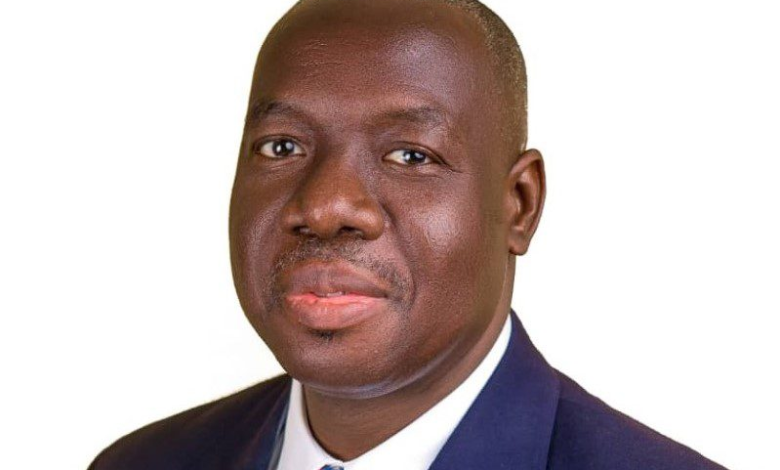
The update was shared by Nigeria Inter-Bank Settlement System at the unveiling of the Payments System Vision (PSV) 2028 in Abuja. Speaking at the event, NIBSS Managing Director and CEO Premier Oiwoh said the system recently hit its highest transaction count during testing and is now awaiting final regulatory approval.
According to Oiwoh, the pilot phase was designed to stress-test the platform under real-world conditions. The latest figures suggest the NPS can already handle significant volumes, clearing a major technical hurdle ahead of full deployment.
Building a shared backbone for digital payments
Rather than introducing another standalone platform, the National Payment Stack is intended to act as a unifying backbone for Nigeria’s fragmented payments landscape. Banks, fintechs, mobile money operators, and other financial institutions are expected to connect through a single rail, improving interoperability and reducing friction across systems.
This approach aligns with the broader ambitions of the Central Bank of Nigeria, which sees the NPS as a cornerstone of its Payments System Vision 2028. The roadmap aims to modernise payments, expand access to financial services, and support Nigeria’s fast-growing digital economy.

Industry observers say a unified infrastructure could shorten transaction times, enhance security, and lower operational complexity for service providers, while creating more room for innovation.
Technology vs. access: the inclusion debate
Despite the encouraging pilot results, stakeholders at the launch stressed that technical success alone will not guarantee impact. Oiwoh noted that execution, affordability, and reach will ultimately determine whether the system delivers on its promise—especially in a country where millions remain outside the formal financial system.
That concern was echoed by Shared Agent Network Expansion Facilities (SANEF). Its Managing Director, Uche Uzeoebo, argued that high transaction costs could undermine inclusion goals if digital payments remain unaffordable for everyday users.
Not all industry leaders agree on the need for cheaper fees. Moniepoint CEO Tosin Eniolorunda cautioned that Nigeria already ranks among countries with the lowest payment costs globally, warning that excessive fee cuts could threaten the sustainability of operators.
What comes next
The National Payment Stack is expected to play a central role in the CBN’s ambition to reach 95% financial inclusion by 2028, potentially bringing up to 50 million more Nigerians into the formal financial system. By improving interoperability and expanding digital access, regulators hope the platform will make electronic payments more practical for traders, small businesses, farmers, and rural communities.
If the transition from pilot to full launch proceeds smoothly, the NPS could mark a turning point—less as a new piece of technology, and more as the connective tissue binding Nigeria’s evolving digital economy together.