Trump Grants TikTok 90-Day Extension Amid U.S. Divestment Deadline, Potential Sale Talks Heat Up

June 21, 2025
In a new twist to TikTok’s ongoing legal and political saga in the United States, former U.S. President Donald Trump has granted another extension—this time for 90 days—for ByteDance, TikTok’s Chinese parent company, to sell the app to a U.S.-approved buyer. This marks the third such delay in the protracted “sell-or-ban” controversy that has engulfed the video-sharing platform since the passage of a 2024 U.S. divestment law.
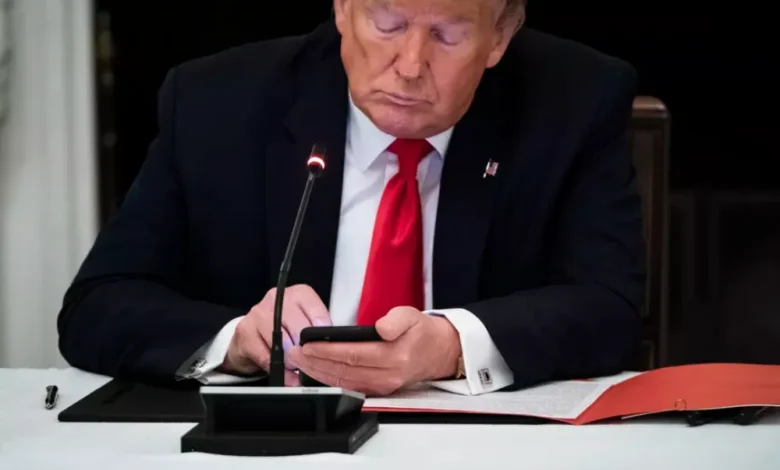
Trump announced the latest extension on Thursday through a post on Truth Social, confirming he had signed a new Executive Order allowing TikTok until September 17, 2025, to find a buyer.
“I’ve just signed the Executive Order extending the Deadline for the TikTok closing for 90 days (September 17, 2025). Thank you for your attention to this matter!” Trump stated.
A Battle Over Data and National Security
The decision follows months of uncertainty surrounding the fate of TikTok in the United States. The Biden administration previously argued that TikTok’s ties to China posed a national security threat, claiming that the platform could potentially expose sensitive American user data to the Chinese government. As a result, ByteDance has faced mounting pressure to sell its U.S. operations to a domestic buyer or face a complete ban.

Under the 2024 divestment law, ByteDance was initially given a deadline of April 5 to divest. That deadline was extended by 75 days to June 19. Now, with the third extension, the company has been given yet another chance to secure a sale that aligns with U.S. security interests.
TikTok Responds: Grateful but Pressured
In response to the latest development, TikTok expressed gratitude to the Trump administration and reiterated its commitment to continue serving its 170 million U.S. users and 7.5 million American businesses relying on the platform.
“We are grateful for President Trump’s leadership and support in ensuring that TikTok continues to be available for more than 170 million American users and 7.5 million U.S. businesses that rely on the platform as we continue to work with Vice President [JD] Vance’s Office,” a company spokesperson said in a statement.
Possible Buyers Emerge
As the clock ticks, interest in acquiring TikTok’s U.S. operations has intensified. Reports suggest that a consortium of U.S. investors—featuring tech giants and private equity firms like Oracle, Blackstone, and Andreessen Horowitz—has emerged as a leading contender. Other major players such as Amazon and Perplexity are also reportedly involved in discussions.
Industry experts believe a practical solution may involve current U.S. investors in ByteDance rolling over their equity into a new, independent entity based in the United States. However, any proposed sale would still require regulatory approval from both Washington and Beijing.

Trump Confident Despite Trade Tensions
Trump, who has consistently advocated for safeguarding American data privacy and sovereignty, remains optimistic that a deal can be finalized. He hinted that China’s cooperation may be tied to broader trade negotiations, particularly around tariffs.
“Maybe I’ll give them a little reduction in tariffs or something to get it done,” Trump remarked, referring to Chinese President Xi Jinping’s possible role in facilitating the sale.
He also indicated confidence that Xi would approve a potential deal if it aligns with both nations’ interests.
White House Reaffirms Support
White House Press Secretary Karoline Leavitt echoed Trump’s sentiments, reaffirming the administration’s commitment to ensuring TikTok remains accessible to Americans—provided data privacy and national security are protected.
“President Trump does not want TikTok to go dark. This extension will last 90 days, which the administration will spend working to ensure this deal is closed so that the American people can continue to use TikTok with the assurance that their data is safe and secure,” she said in a press briefing.
China’s Approval Still Key
Despite ongoing negotiations, ByteDance noted that any final agreement remains subject to approval under Chinese law. The company confirmed it is in active dialogue with both U.S. and Chinese authorities to resolve the issue within the permitted legal framework.

As the September 17 deadline approaches, the future of TikTok in the United States hangs in the balance. Whether this latest extension leads to a landmark tech acquisition or escalates into a broader geopolitical standoff remains to be seen.
Related: World’s most-followed TikToker, Khaby Lame, leaves the U.S. after detention for visa overstay