Telecom Operators Assure Nigerians of Smooth USSD Transactions Under New N6.98 Billing Regime

June 21, 2025
As Nigeria transitions into a new USSD billing model, the Association of Licensed Telecommunications Operators of Nigeria (ALTON) has assured the public that telecom providers are committed to ensuring seamless service delivery. Under the new regime, users will now pay ₦6.98 per USSD session via airtime rather than direct bank debits.
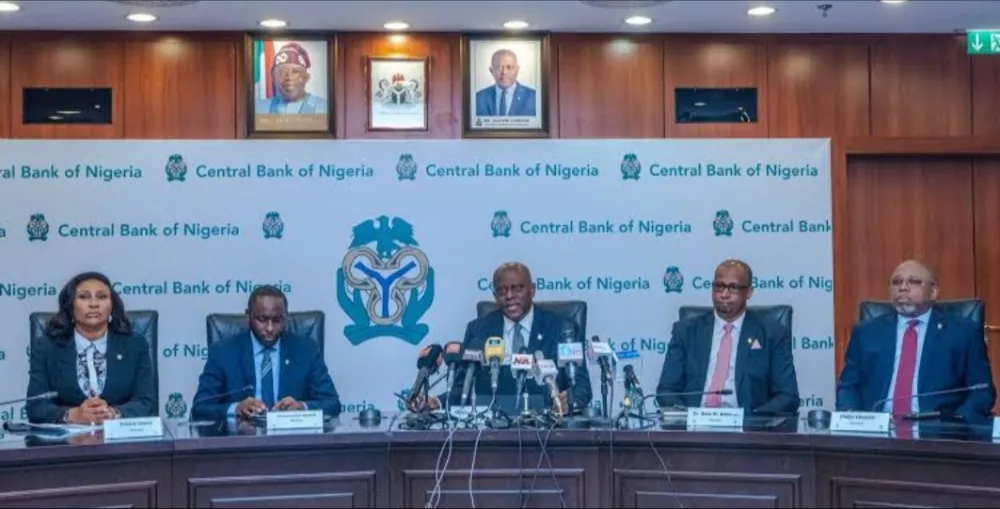
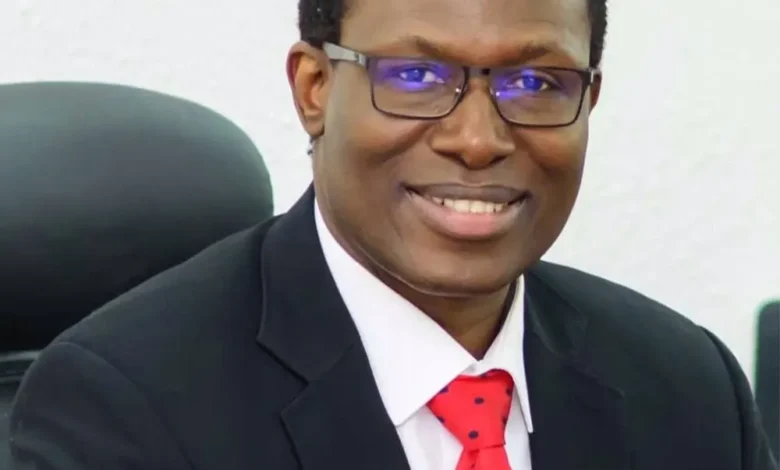
Chairman of ALTON, Engr. Gbenga Adebayo, offered clarity on the new policy during a media briefing held today alongside MTN’s Chief Enterprise Business Officer, Lynda Saint-Nwafor. The session addressed growing concerns about billing transparency, service failures, and the impact of the policy on financial inclusion, especially for millions of Nigerians who rely on USSD services for basic banking without internet access.

Understanding the New Billing System
Explaining the changes, Engr. Adebayo emphasized that the ₦6.98 charge applies per USSD session—defined as a 120-second interaction—and will now be deducted from users’ airtime balance.
“If there’s a failure from the telecom network, the customer will not be billed. But if it’s successful on our end and fails at the bank’s end, the user will still be charged,” Adebayo explained.
He clarified that in cases of double billing—where both airtime and bank accounts are charged for the same transaction—customers should report the issue to their banks for a refund.
“If people see a deduction from their bank account after they have already been charged on their airtime, they should go to the bank. The bank is not supposed to bill them, and that would constitute double billing,” he warned.
What Will Change for Users?
Lynda Saint-Nwafor noted that the new model primarily shifts the payment method, not the amount or service structure. Users will still pay ₦6.98 per session, but instead of being charged via their bank account, the fee will now be deducted from their airtime.
“There is no significant change for the customer, except that they are now paying from airtime. This enhances transparency and gives users clearer control over their expenses,” she said.
Regulatory Oversight for Transparency
Saint-Nwafor disclosed that the Nigerian Communications Commission (NCC) and the Central Bank of Nigeria (CBN) jointly approved the new billing structure, and have instructed operators to enhance service transparency.
“At the end of each month, operators will provide usage statistics and performance reports for regulatory review. This ensures that trust is maintained and users are not unfairly charged,” she said.
She also added that standardised error messages will now be used across all networks. These messages will inform users whether a transaction failed due to telco issues, bank problems, or aggregator delays—allowing customers to know exactly where a transaction broke down.

Consent and Confirmation Protocols
Under the revised model, telecom operators will seek users’ consent before charging them. Once approval is given, the telco reaches out—via an aggregator—to confirm eligibility with the user’s bank.
However, even when transactions ultimately fail due to issues on the bank’s side, customers will still be charged because, from the telco’s perspective, the service was successfully delivered.
“Telcos are like your Uber ride,” Adebayo explained. “If the ride takes you to your destination, you pay—whether or not you achieved your goal for going.”
He added that in instances of network failure on the telco’s side, customers would either not be charged or receive a refund. But when failure is traced to banks or aggregators, billing still applies.
No Free or Emergency Access
Engr. Adebayo and Saint-Nwafor both reiterated that USSD services are not intended for emergency use and will not be accessible to users with insufficient airtime or zero bank balances. For emergencies, toll-free numbers such as 112 or 121 should be used.
“The USSD service isn’t designed for emergencies. It’s a value-added service that requires airtime to function,” Adebayo stated.
Looking Ahead
With the implementation of this new billing regime, telecom operators and financial regulators aim to create a more efficient, transparent, and secure USSD ecosystem. While the change may raise concerns for low-income users, both ALTON and the telecom operators have committed to ongoing monitoring and adjustments to ensure fairness and accessibility.
As millions of Nigerians continue to depend on USSD for mobile banking and transactions, the effectiveness of this new model will largely depend on how well stakeholders—telecoms, banks, regulators, and consumers—navigate the challenges of billing accuracy, service reliability, and user education in the coming months.