AfDB Approves $184 Million for Africa’s Largest Solar Plant in Egypt: The Landmark Obelisk Solar Project

June 13, 2025
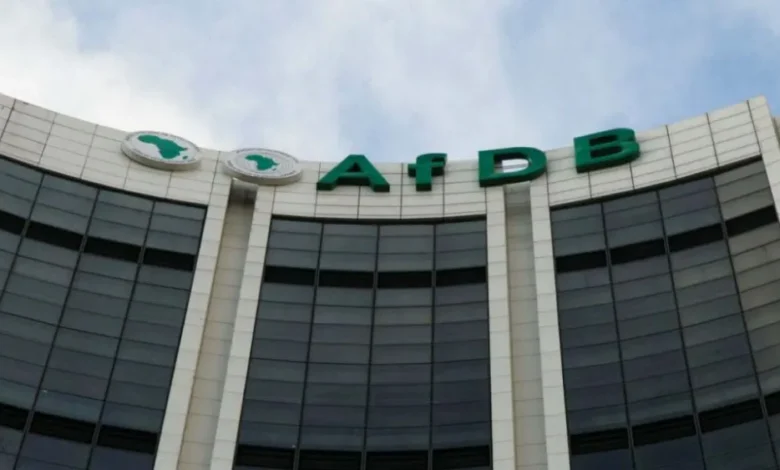
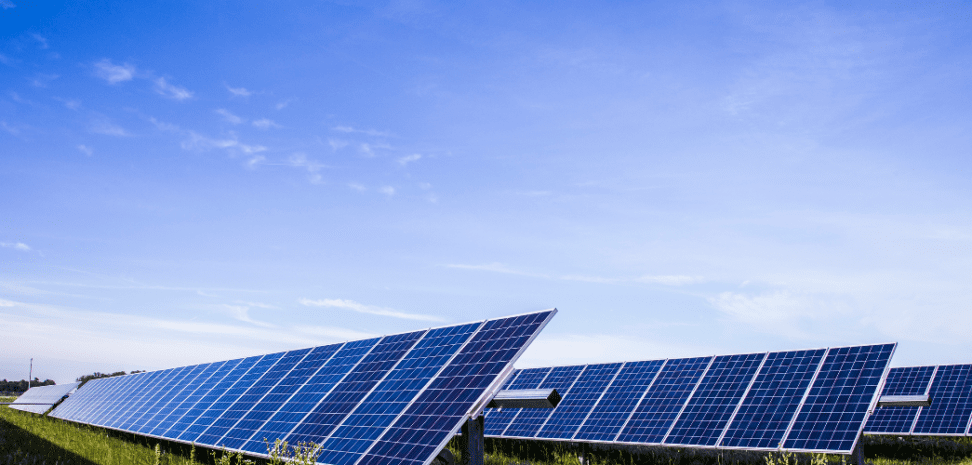
In a transformative move for Africa’s renewable energy sector, the African Development Bank (AfDB) has announced a $184.1 million financing package to support the development of the Obelisk Solar Project in southern Egypt. Once completed, the 1-gigawatt (GW) solar photovoltaic plant, located in Qena Governorate, will become Africa’s largest solar power facility, paired with a 200-megawatt-hour battery energy storage system. The project is expected to be fully operational by the third quarter of 2026.

A Milestone in Africa’s Green Transition
With a total investment exceeding $590 million, the Obelisk Solar Project will generate approximately 2,772 gigawatt-hours (GWh) of clean electricity annually, feeding into Egypt’s national grid. Under a 25-year Power Purchase Agreement, the Egyptian Electricity Transmission Company will serve as the project’s sole off-taker, ensuring long-term stability and energy security.
The financing package from the AfDB includes:
-
$125.5 million from AfDB’s ordinary capital resources
-
$20 million from the Sustainable Energy Fund for Africa (SEFA)
-
$18.6 million from the Canada-African Development Bank Climate Fund
-
$20 million from the Clean Technology Fund (CTF)
The remaining capital will be raised through a consortium of development finance institutions, showcasing strong international collaboration.
Innovation with Impact
One of the project’s standout features is its integrated battery storage system, which will help balance electricity demand during peak evening hours and mitigate the intermittent nature of solar energy. In addition to strengthening grid reliability, the plant is projected to reduce carbon dioxide emissions by approximately 1 million tonnes annually.
The construction phase is expected to create about 4,000 jobs, with a focus on employing local workers, women, and youth. Around 50 permanent positions will be maintained once the plant becomes operational. This approach directly supports Egypt’s socio-economic goals, especially in addressing unemployment in Upper Egypt.
Strategic Importance under Egypt’s NWFE Program
The Obelisk Solar Project is a flagship initiative under Egypt’s Nexus of Water, Food, and Energy (NWFE) platform, launched at COP27 in Sharm El Sheikh. The platform has already unlocked 4.2 GW of privately financed renewable investments worth $4 billion, with the AfDB playing a key role.
Egypt’s Minister of International Cooperation, Dr. Rania Al-Mashat, called the Obelisk project a “key milestone” for NWFE’s energy pillar, which aims to:
-
Add 10 GW of renewable capacity by 2030
-
Phase out 5 GW of fossil fuel generation
-
Mobilize $10 billion in clean energy investments
The project was also granted a “Golden License”, which streamlines regulatory approvals for strategically important ventures.
AfDB: Driving Africa’s Energy Future
Kevin Kariuki, AfDB’s Vice President for Power, Energy, Climate, and Green Growth, described the project as a “landmark development” that underscores Egypt’s vast renewable potential. The initiative also aligns with:
-
The AfDB’s Ten-Year Strategy
-
The New Deal on Energy for Africa
-
The Country Strategy Paper for Egypt
-
The SEFA mission to speed up Africa’s energy transition
Wale Shonibare, Director of Energy Financial Solutions at AfDB, emphasized the project’s replicability across the continent, offering a model for balancing energy access, sustainability, and affordability.
Global Support and Climate Commitments
International partners, including the Government of Canada, have played a pivotal role in co-financing the project. Canadian Ambassador Ulric Shannon expressed pride in supporting Egypt’s solar energy ambitions, pointing to the project’s contribution to a low-carbon economy and energy stability.
The environmental impact is substantial. By slashing annual emissions by 1 million tonnes of CO₂, the project bolsters Egypt’s Paris Agreement commitments and enhances its leadership in North Africa’s renewable energy space.
A Blueprint for Africa’s Renewable Ambitions
As construction begins, the Obelisk Solar Project represents more than a clean energy facility—it symbolizes a new era of green industrialization in Africa. Its success could catalyze similar developments in other high-potential nations such as Morocco and South Africa.
The project’s emphasis on:
-
Energy resilience
-
Community-focused job creation
-
Battery storage innovation
—sets it apart as a benchmark for future renewable projects across Africa.
Despite ongoing challenges like currency fluctuations and energy shortages, Egypt’s ability to attract such large-scale, internationally backed investment reflects growing confidence in its economic resilience.
Looking Ahead
Set for completion in 2026, the Obelisk Solar Project is poised to transform Egypt’s energy landscape and serve as a beacon for sustainable development across Africa. With over $590 million in funding and broad multilateral support, the project stands at the intersection of climate action, economic opportunity, and technological advancement—paving the way for Africa’s clean energy revolution.