DHL Commits €500 Million to Expand Healthcare Logistics Across Africa and the Middle East

June 2025
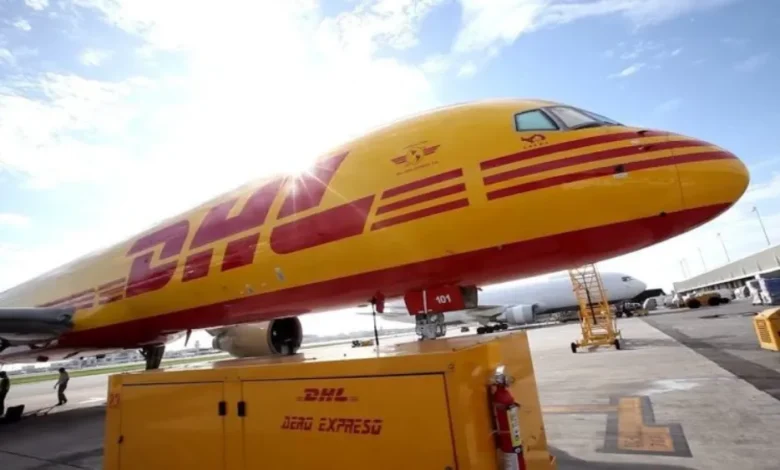
Global logistics powerhouse DHL Group has unveiled a bold new investment strategy, committing €500 million (approximately $575 million) over the next five years to expand its healthcare logistics network across Africa and the Middle East. The move marks a significant push to strengthen the region’s medical supply chains amid rising healthcare demands, intensifying global competition, and growing influence from China.
Meeting Critical Healthcare Needs in Emerging Markets
The investment will be rolled out through 2024 to 2030, with a focus on scaling up cold chain infrastructure, modernising existing facilities, and establishing new logistics hubs. The goal: improve the handling and distribution of temperature-sensitive medical supplies—including vaccines, stem cells, and cryogenic products—in areas where infrastructure gaps have long hindered healthcare delivery.
According to Annette Naude, DHL’s Head of Healthcare for Europe, the Middle East, and Africa (EMEA), the initiative prioritizes “time-sensitive shipments critical to public health,” particularly in underserved African nations. DHL aims to close glaring logistics gaps that still leave 70% of African countries without adequate cold chain systems, as reported by the World Health Organization (WHO) in 2024.
DHL’s Strategy: Leveraging Its Four Logistics Divisions
The expansion will cut across DHL’s core divisions:
-
DHL Express
-
DHL Global Forwarding
-
DHL Supply Chain
-
DHL eCommerce
Each unit will contribute to building a more resilient, responsive, and digitally enabled healthcare supply chain for both public and private sectors.
John Pearson, CEO of DHL Express, emphasized the Middle East’s role as a critical logistics gateway connecting Asia, Europe, and Africa. “As the region grows into a global logistics hub, we’re making sure it can meet the future demands of healthcare,” he said.
Strengthening DHL’s Role in Africa
Africa remains a key target market in DHL’s global strategy. With rising healthcare demands, population growth, and a burgeoning pharmaceutical market—estimated at $20 billion in 2024 by Statista—DHL sees untapped opportunity.
In Egypt, for example, DHL Express is already a market leader and collaborates with major pharmaceutical companies like Eva Pharma. The group is looking to replicate this public-private partnership model across other African nations.
Amadou Diallo, CEO of DHL Global Forwarding for the Middle East and Africa, reaffirmed the group’s commitment to the continent despite infrastructure challenges. “Africa’s economic development is unstoppable, and we’re investing now to be part of that growth story,” he said.
A Response to Global Disruption and Local Demand
The decision comes amid increasing supply chain volatility, geopolitical tensions, and the aftershocks of the pandemic. DHL’s investment is also seen as a strategic counterbalance to China’s expanding presence in the region via its Belt and Road Initiative, which has included several large-scale logistics and infrastructure projects.
In parallel, DHL aims to ride the wave of e-commerce growth. Local entrepreneurs are fueling demand for faster, more reliable shipping, especially for health-related products. Pearson emphasized that small and medium-sized exporters could benefit from improved access to global markets through DHL’s expanded logistics backbone.
Operational Upgrades and Digital Innovation
As part of the initiative, DHL plans to:
-
Enhance its fleet with specialised healthcare vehicles
-
Deploy advanced tracking systems to maintain shipment integrity
-
Adopt sustainable transport technologies in line with its environmental goals
The group also plans to collaborate with local governments and health organizations to navigate complex regulatory environments, particularly in countries like Nigeria, where last-mile healthcare delivery remains a major hurdle.
In Egypt, Ahmed Elfangary, DHL Express Country Manager, has already positioned the company as a trusted government partner—a model that could be extended across the region.
Challenges Ahead: Infrastructure, Regulation, and Competition
Despite its size and expertise, DHL faces substantial challenges in implementing the expansion:
-
Fragmented infrastructure across African countries
-
Customs delays and inefficient border controls
-
Stringent regulatory compliance, especially for sensitive medical goods
-
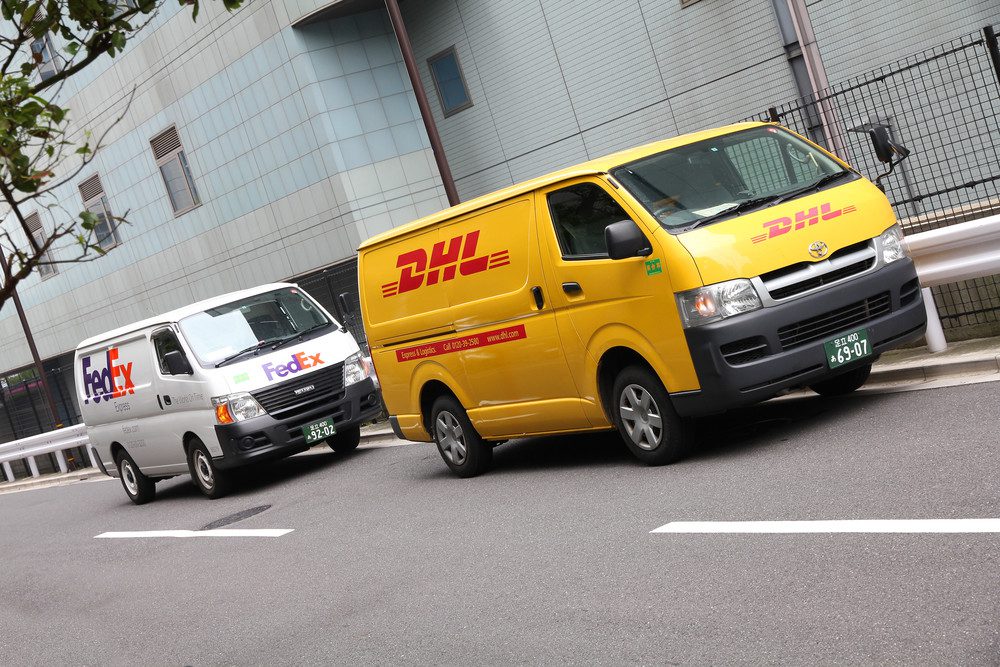
Rising competition from both regional logistics startups and global rivals like FedEx
Nonetheless, the company’s robust footprint—350,000+ employees in 220 countries—and strategic alliances put it in a strong position to overcome these barriers.
Tapping into Tomorrow’s Medical Frontier
Beyond basic logistics, DHL is also looking to serve the cutting-edge frontier of medicine, including stem cell therapy, cryogenics, and other advanced treatments. This positions the company not only as a logistics provider but as an enabler of next-generation healthcare solutions.

Looking Forward: Building Resilient Supply Chains
As the healthcare demands of Africa and the Middle East continue to grow, DHL’s €500 million commitment represents one of the most significant private sector investments in the region’s logistics infrastructure to date. If successful, the initiative could redefine how life-saving medical goods are distributed—making them more accessible, reliable, and responsive to local needs.
In an era of global disruption and health inequality, DHL’s expansion signals more than market ambition—it’s a bet on the transformative power of logistics to save lives and spur economic growth across two of the world’s fastest-evolving regions.