💸 Sycamore Eyes ₦1 Billion to Complete $1.5M Debt Round as Demand for Credit Soars in Nigeria

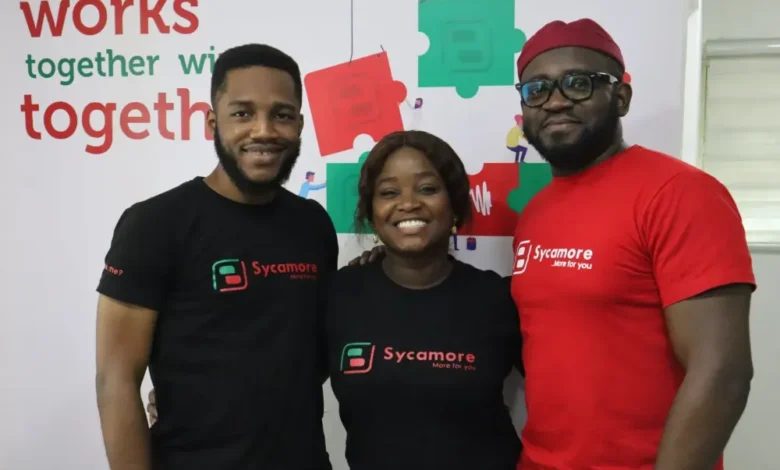
Nigerian digital lender Sycamore is doubling down on its mission to close the credit gap—and it’s doing it without giving away a slice of its company.
Just one week after securing ₦1.5 billion ($943,000) in debt funding from Cascador, a local entrepreneurship accelerator, Sycamore is now raising an additional ₦1 billion ($628,000) to complete a $1.5 million debt funding round. With this move, the fintech startup is betting on local capital, rising loan demand, and a lean, equity-free growth strategy to scale its operations.
📊 A Year of Growth and Momentum
Founded in 2019 and based in Lagos, Sycamore has rapidly grown its footprint in Nigeria’s peer-to-peer lending space. In 2024 alone, the company:
-
Disbursed over $5.5 million in loans
-
Generated $3.5 million in total revenue
-
Earned over $1.5 million in 2024 alone, marking a 115.19% year-over-year growth
The platform now serves more than 300,000 users, with plans to issue over 10,000 loans using the new $1.5 million funding. It’s also eyeing an additional 5,000 to 10,000 small businesses to onboard in the next 12 months.
With working capital loans ranging from ₦500,000 ($314) to ₦20 million ($12,500), Sycamore is targeting Nigeria’s underserved businesses and individuals who have limited access to traditional credit.
🏦 Why Debt Instead of Equity?
For many African startups, equity funding often comes with strings attached—and can dilute founders’ ownership. Sycamore is taking a different path.
“Debt allows us to grow the loan book without giving up equity,”
— Babatunde Akin-Moses, CEO of Sycamore, in an interview with TechCabal.
Debt financing, especially when structured in local currency, offers a way to scale operations and returns without compromising control. The recent Cascador funding was structured with favorable terms—10% cheaper than the local market rate—and allows for longer repayment terms, up to 12 months.
🌍 A Smarter Strategy Amid Economic Uncertainty
Nigeria’s economic turbulence has hit startups hard. With the naira losing nearly 75% of its value over 18 months, many businesses that raised funds in U.S. dollars but operate in naira are now struggling to meet dollar-denominated repayment obligations.
Sycamore is avoiding that pitfall by keeping its funding local and naira-based.
“The Cascador deal was initially supposed to be $1 million,” Akin-Moses explained. “But we thought, if the naira hits ₦2,000 to the dollar, do we really want to be repaying ₦2 billion? Eventually, we all agreed to structure the deal in naira.”
This level of risk management and local grounding reflects a broader shift in how African startups are approaching fundraising.
📈 A Continent-Wide Trend Toward Debt Financing
Sycamore isn’t alone. Across Africa, more startups are turning to debt as a more predictable, equity-preserving financing route.
-
In 2024, $3.2 billion was raised by African startups,
-
One-third of that came from debt,
-
With 77 debt deals recorded continent-wide, a 4% increase from 2023, according to Partech.
Other Nigerian lenders like Fairmoney have also turned to local debt instruments such as commercial papers to finance their growing loan books.
As venture capital slows down and currency volatility becomes a serious concern, debt financing is becoming not just an alternative, but a strategic preference.
🚀 What’s Next for Sycamore?
If successful in raising the additional ₦1 billion, Sycamore will complete its $1.5 million round and unlock a new phase of growth. The capital will directly support:
-
Expansion of its digital loan book
-
Serving thousands of SMEs across Nigeria
-
Further refining its peer-to-peer lending infrastructure
With an eye on sustainable scaling, Sycamore continues to prioritize profitability, local impact, and financial independence over hyper-growth.
🗣 Final Thoughts
Sycamore’s bold approach to funding—leaning into local debt and operational efficiency—is a telling sign of how African startups are maturing in strategy and adapting to complex macroeconomic realities.
By staying local, avoiding equity dilution, and focusing on core lending services, Sycamore is not just raising funds—it’s redefining what growth looks like for Nigerian fintechs.
💬 What do you think?
-
Is debt financing the smarter route for African startups in 2025?
-
Will Sycamore’s model prove more resilient than equity-heavy competitors?
Drop your thoughts in the comments below!
🔔 Subscribe to our newsletter for weekly updates on African fintech, startups, and investment trends.
📱 Follow us on [Twitter / X] | [LinkedIn] | [Instagram] for more tech stories across the continent.