A damning investigation by Premium Times has uncovered widespread corruption, insider profiteering, and black market activity within the Presidential Initiative on Compressed Natural Gas (PICNG)—a flagship program launched by President Bola Ahmed Tinubu to reduce transportation costs and promote clean energy in Nigeria.
The initiative, intended to provide affordable and environmentally friendly energy alternatives through Compressed Natural Gas (CNG), is now mired in controversy. The investigation reveals that while billions of naira have been invested, corrupt practices, conflicts of interest, and unregulated diversions threaten to derail its objectives.
A Bold Vision Undermined
Unveiled in 2023, the PICNG was designed to mitigate the impact of petrol subsidy removal by converting commercial vehicles from petrol to CNG. It promised to distribute one million free CNG conversion kits, starting with a pilot rollout of 10,000 kits to transport unions such as the National Union of Road Transport Workers (NURTW), Uber, Moove, and the Kaduna State Transport Authority (KSTA).
By 2024, Project Director Michael Oluwagbemi announced that the Federal Government had committed over ₦45 billion to the Commercial Vehicle Conversion Incentive Programme (CV-CIP). But according to Premium Times, the program’s noble intentions are being systematically undermined.
Black Market Diversions & Insider Deals
The investigation revealed that free CNG kits are being resold on the black market—some at a fraction of their original cost. In one instance, a man identified as Sam Ogidi, claiming to have “government connections,” was found offering a kit worth over ₦1 million for just ₦350,000 via a WhatsApp CNG kit trading group.

Even more troubling is evidence of conflict of interest at the highest levels of the initiative. A senior PCNGI official is reportedly a major stakeholder in Hi-Grade Energies Ltd, a CNG conversion firm registered just 10 days after the launch of the program. The revelation has raised alarms about potential profiteering and cronyism.
“We hope that law enforcement agencies like the EFCC will investigate this further and save the well-intentioned initiative,” an industry insider told Premium Times.
Private Sector and Industry Stakeholders Sound the Alarm
C & L Smart Energy Solutions, which operates Nigeria’s largest CNG conversion centre in Abuja, has publicly accused previous PCNGI leadership of enabling:
-
Insider profiteering
-
Internal sabotage
-
Policy inconsistencies
The company stated that these issues have hobbled the program, undermining the public’s confidence and slowing adoption among commercial drivers.
In a separate interview on Arise TV, Sina Kawonise, a major CNG kit importer, warned that:
“The proliferation of conversion centres and the diversion of kits to the black market will strain private CNG businesses and will affect the adoption of CNG.”
Government Investment at Risk
Although the government claims each CNG conversion kit is worth more than ₦1 million, black market sales at significantly lower prices raise questions about gross mismanagement or deliberate overpricing.
Despite the ₦45 billion funding commitment, there has been limited tangible progress in vehicle conversions. Industry experts argue that without tighter regulation and transparency, the program risks becoming another failed government project.

Technology Promises, But Execution Lags
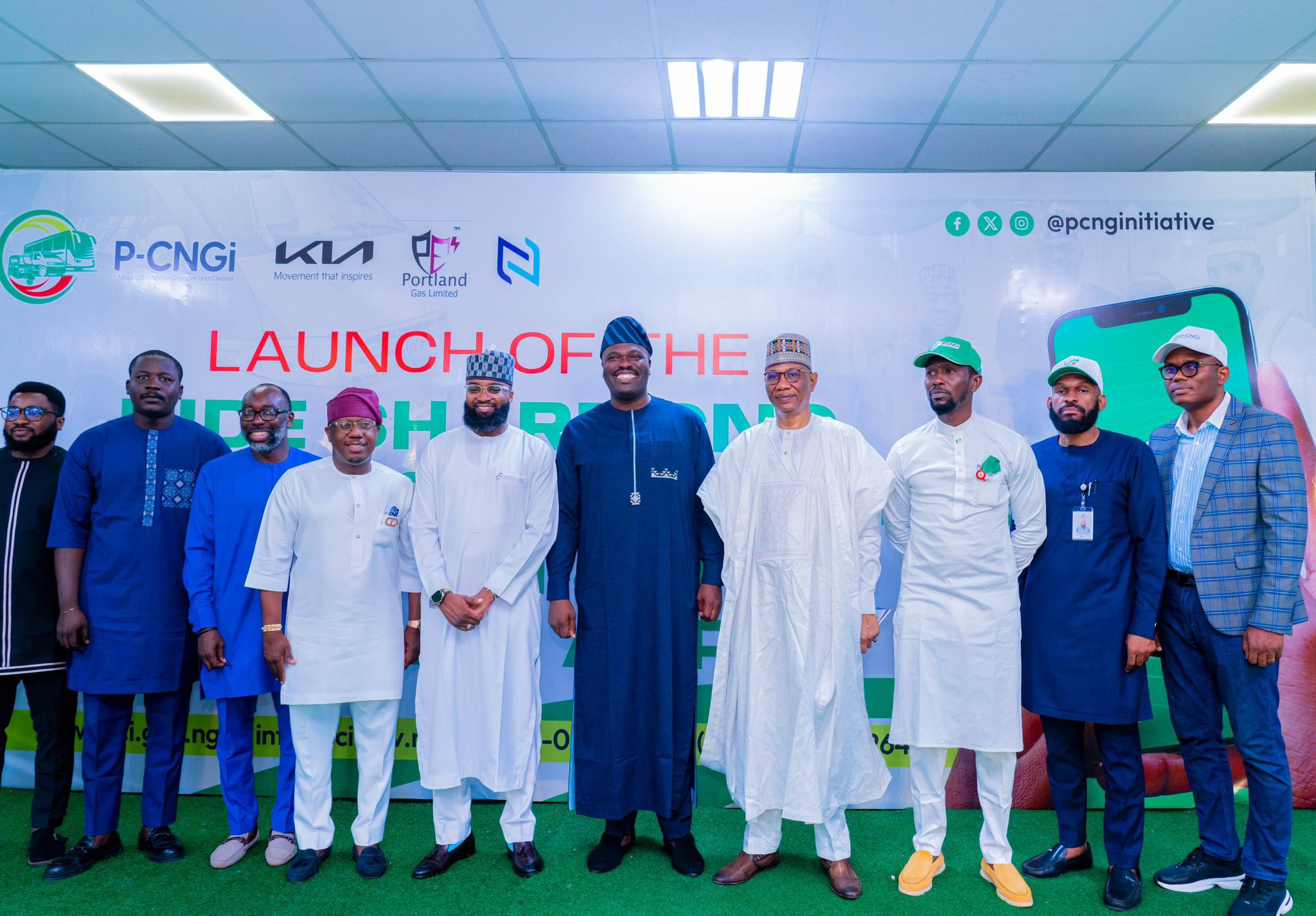
A dedicated CNG conversion app was also launched to streamline access to kits and services. However, insiders fear that without reform, the app will be undermined by the same structural weaknesses afflicting the broader program.
What Needs to Change?
The revelations have sparked urgent calls for President Tinubu to intervene. Key recommendations from stakeholders include:
-
A transparent audit of PICNG’s finances, leadership, and distribution mechanisms
-
Investigation into companies and officials benefiting from conflicts of interest
-
Tighter oversight of CNG conversion centres
-
Public-private partnerships to ensure fair distribution and sustainability
-
Stronger penalties for those diverting public resources to black markets
A Critical Juncture for Nigeria’s Energy Future
The PICNG was envisioned as a cornerstone of Nigeria’s green energy transition, promising cleaner air, lower transportation costs, and energy independence. But as the Premium Times investigation reveals, the initiative stands at a dangerous crossroads.
Without immediate reforms and accountability, billions in public funds could be wasted, and trust in one of the administration’s flagship economic relief strategies may be permanently damaged.
As Nigeria continues to battle rising inflation and energy insecurity, the need for a functional and transparent CNG conversion initiative has never been greater. Now, it’s up to the government to prove that the initiative was more than a promise—and to act decisively before it collapses under the weight of its own corruption.