Lagos-Based KEY Academy Becomes First Nigerian School Shortlisted for 2025 World’s Best School Prize in Innovation


June 22, 2025
In a landmark achievement for Nigeria and West Africa, KEY Academy, a forward-thinking primary school based in Lagos, has been named among the Top 10 finalists for the 2025 World’s Best School Prize in Innovation. This makes it the first school in Nigeria and the entire West African region to receive such global recognition.
The World’s Best School Prizes are regarded as the most prestigious awards in global education, celebrating schools that are pioneering transformative approaches to learning and making real impact within their communities.
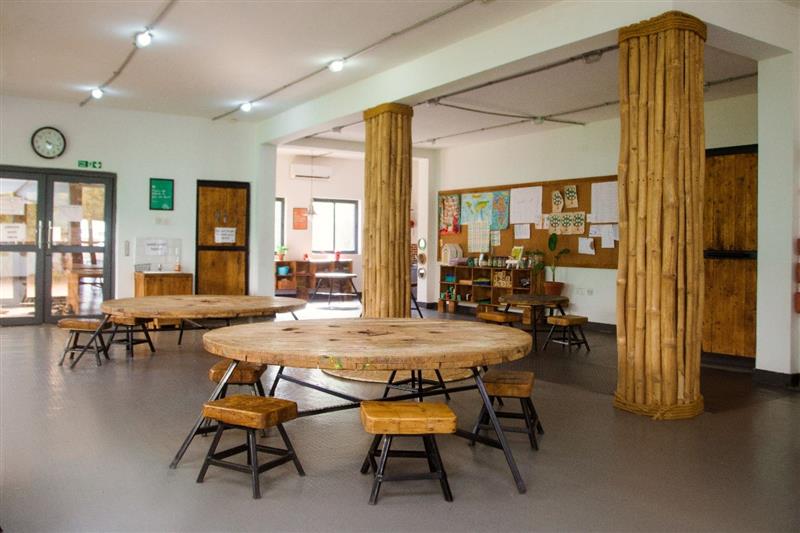
A Win for Nigeria and West Africa
The announcement was met with celebration across Nigeria’s education sector, with educators and stakeholders hailing it as a momentous breakthrough. Founder of KEY Academy, Damilola Okonkwo, expressed her excitement and pride in what this milestone represents—not just for the school, but for the entire region.
“We’re honoured to be recognised on the global stage. This moment is not just about us. It’s a moment for Nigeria and all of West Africa to be proud of what’s possible in our education system,” she said.
“This nomination affirms what we’ve always believed—that children in Nigeria deserve world-class, 21st-century project-based education rooted in innovation and community.”
Reimagining Education in Africa
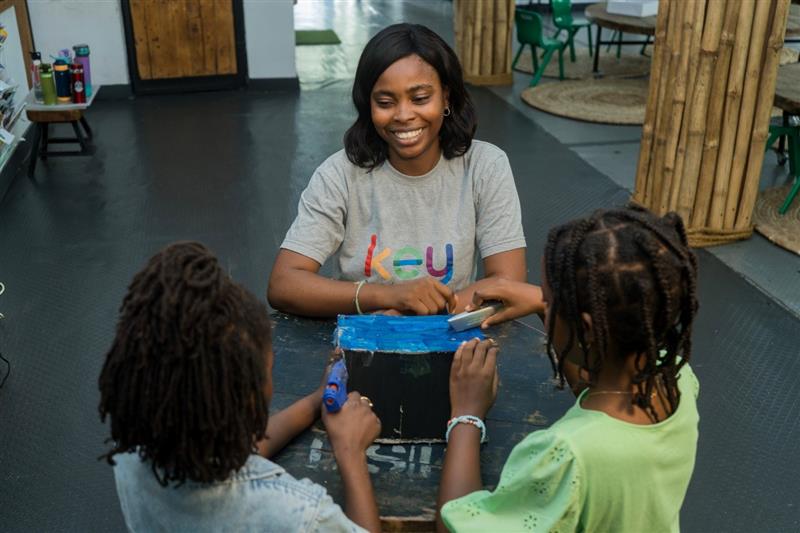
Established in 2019, KEY Academy was founded with a bold mission: to reimagine African education through project-based, real-world learning. Rather than following traditional methods focused on rote memorization, KEY Academy’s curriculum integrates science, sustainability, art, and critical thinking, delivered through hands-on projects, team collaboration, and mentorship by industry professionals.
Students at the school engage in solving real-life challenges, pursuing personal passions, and developing practical skills that prepare them for the future.

A Growing Vision for Impact
Looking ahead, KEY Academy is already expanding its impact:
-
A new 15,000 sqm secondary school campus and innovation hub is set to launch by 2027, further advancing its learning model for older students.
-
The school is also developing a digital teacher training and accreditation platform, which will offer books, multimedia content, and training events. This initiative aims to empower educators nationwide with tools for inquiry-based teaching and replicate the school’s innovative approach at scale.
Community Engagement Through Chess and More
KEY Academy’s community-focused ethos was recently showcased through ChessMasters, Africa’s largest annual school chess tournament. The event, hosted by the school, brought together over 500 young players from more than 100 schools, using chess to teach strategic thinking, decision-making, and problem-solving.
This type of experiential learning aligns perfectly with the Academy’s core belief: that education should not just be informative, but transformational.
What’s Next: A Chance to Win and Inspire
As one of the 10 global finalists, KEY Academy will now be featured on a worldwide platform, inspiring other schools to adopt similar progressive practices. The school is also in the running for a cash prize that could further support its mission to democratise modern education across Nigeria.
In addition, KEY Academy is eligible for the Community Choice Award, a public voting category that highlights schools whose stories resonate most with global audiences.
How to Support KEY Academy
Public voting is now open for the Community Choice Award. Supporters around the world can vote for KEY Academy by visiting the World’s Best School Prizes website and selecting the school from the list of finalists.
The school with the most votes will receive a free subscription to the Best School to Work programme, helping them strengthen staff development, school culture, and long-term growth.
A New Era for Nigerian Education
KEY Academy’s recognition is more than an award—it’s a powerful message that innovation in education is not just possible in Nigeria, but already happening. As the school continues to break boundaries and inspire change, it sets a precedent for what the future of African education can and should look like.
This is a moment of pride, progress, and possibility for Nigeria, West Africa, and beyond.