Africa Adds 2,000km of New Rail Lines in a Decade, Signaling a Shift in Infrastructure Priorities

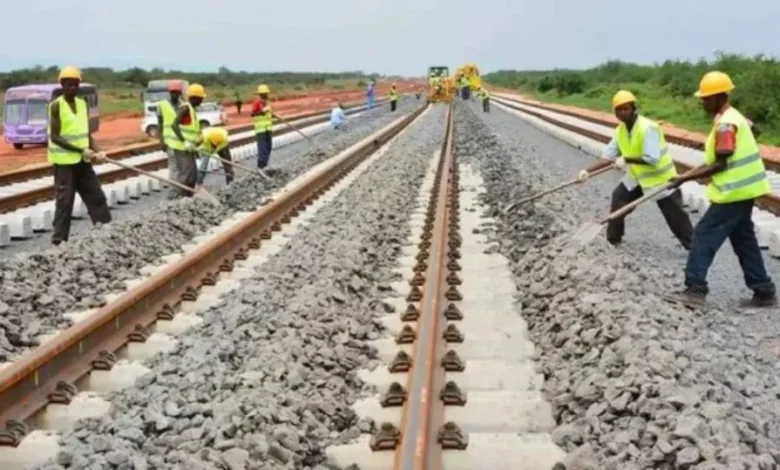
Africa has added approximately 2,000 kilometres of new railway lines between 2015 and 2024, reflecting a renewed focus on rail infrastructure as a crucial driver of regional connectivity, trade, and economic transformation. This was disclosed in the 2025 State of Africa’s Infrastructure Report, released by the Africa Finance Corporation (AFC).
According to the report, the past decade has witnessed two distinct phases in rail development across the continent: an initial surge in greenfield railway construction, followed by a shift toward upgrading and modernizing existing rail assets.
Greenfield Boom (2015–2019)
Between 2015 and 2019, several African nations embarked on ambitious greenfield rail projects, building entirely new railway lines across previously undeveloped terrain. This era marked a turning point in Africa’s long-neglected railway sector.
Countries such as Nigeria, Kenya, Ethiopia, Morocco, and Guinea led the charge with a series of high-profile projects:
-
Nigeria: Completed the Abuja–Kaduna and Lagos–Ibadan standard gauge railways.
-
Kenya: Built the Mombasa–Naivasha Standard Gauge Railway (SGR) as part of its Vision 2030 infrastructure plan.
-
Morocco: Launched the Tangiers–Kenitra high-speed rail line, the first of its kind in Africa.
-
Ethiopia–Djibouti: Unveiled a fully electrified standard gauge railway linking Addis Ababa to the port of Djibouti.
-
Guinea: Commenced the Boké bauxite railway to enhance mineral exports.
These projects represented a bold pivot toward modern transport infrastructure and aimed to reduce logistical costs, improve regional mobility, and connect landlocked countries to seaports.
The Brownfield Pivot (2020–2024)
However, from 2020 onward, the momentum for new railway construction slowed as fiscal tightening, rising debt burdens, and the COVID-19 pandemic reshaped national priorities. According to the AFC report, countries began shifting focus from new builds to brownfield projects—rehabilitating and expanding existing rail infrastructure.
In this phase:
-
Nigeria, Ghana, and Uganda invested heavily in reviving decaying rail networks.
-
Tanzania stood out by completing the first phase of its new standard gauge railway between Dar es Salaam and Dodoma in 2024, part of a larger network expected to reach Rwanda and Burundi.
This shift reflects a broader trend: maximizing returns from legacy assets while pursuing more cost-effective infrastructure upgrades amid constrained public budgets.
Persistent Gaps and Regional Challenges
Despite these gains, the report also highlights the uneven nature of rail development across Africa:
-
North and Southern Africa continue to dominate in terms of rail coverage and efficiency.
-
The SADC region remains the only part of the continent with a well-integrated cross-border rail network—anchored by a Cape gauge system connecting countries such as South Africa, Zimbabwe, and Zambia.
-
In contrast, much of Central and West Africa lacks coherent regional rail integration.
In Sudan, civil conflict has devastated the rail sector, leaving just 600 km of operational track out of a 6,000 km system.
Alarmingly, 13 African countries—many of them landlocked—still lack any rail access to the coast, impeding trade and increasing logistics costs for vital imports and exports.
Moreover, approximately 15% of the continent’s existing railway network is currently non-functional, highlighting the deep-rooted challenges in maintenance, funding, and operational efficiency.
A Sector Poised for Transformation
Despite these setbacks, the AFC remains optimistic about the future of African rail. The report suggests that with targeted investment, greater regional cooperation, and smarter financing, the continent can transform its colonial-era railways—once built to extract resources—into productive, integrated systems that connect farms, factories, cities, and ports.
As Africa accelerates its push toward continental trade integration under the AfCFTA, functional rail infrastructure could become the backbone of intra-African commerce and global supply chain participation.
The next decade, according to the AFC, may well determine whether Africa’s rail sector becomes a symbol of progress—or a missed opportunity.