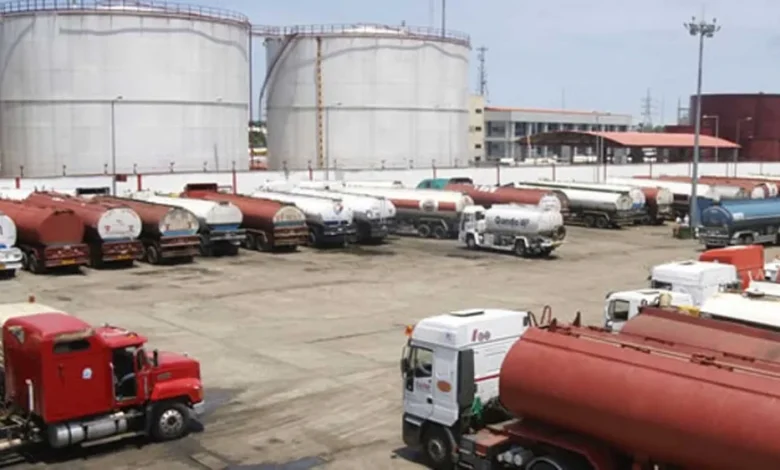
LAGOS, Nigeria — June 16, 2025 — The Independent Petroleum Marketers Association of Nigeria (IPMAN), South-West Zone, has announced a total withdrawal of its fuel transport operations from the Lekki-Epe corridor beginning Monday, June 16, 2025, in protest against the N12,500 E-Call-up levy imposed by the Lagos State Government.
The directive was issued on Sunday by Chief Oyewole Akanni, the Zonal Chairman of IPMAN, in a statement released to the News Agency of Nigeria (NAN). The decision, according to Akanni, follows failed negotiations with the Lagos State Ministry of Transportation and growing frustration among fuel marketers and truck operators over what they describe as “non-inclusive, arbitrary policy-making.”
“We will not expose our members to harassment and financial exploitation through an unfair levy system. We are advising all our marketers to immediately withdraw their depot representatives and truck drivers from the Lekki-Epe corridor until further notice,” said Chief Akanni.
What the Boycott Means
The boycott, if fully enforced, is expected to severely disrupt petroleum product loading and distribution operations in one of Lagos State’s most economically critical zones. The Lekki-Epe axis is home to infrastructure like the Lekki Deep Sea Port, Dangote Refinery, and multiple industrial estates, all of which rely heavily on consistent fuel supply and logistics movement.
The E-Call-up system, which was initially introduced by the Nigerian Ports Authority (NPA) in 2021 for the Apapa and Tin Can Port corridors, was extended to the Lekki corridor in September 2024. While enforcement was delayed following stakeholder resistance, the government has now set June 16, 2025, as the firm rollout date for mandatory compliance.
Why the Marketers Are Protesting
At the center of the protest is the N12,500 levy that transporters are now required to pay per trip under the E-Call-up traffic management system. The system mandates that truck operators upload Authority to Load (ATL) documents and reserve parking slots before accessing the corridor—an initiative the government claims is aimed at reducing gridlock and improving road safety.
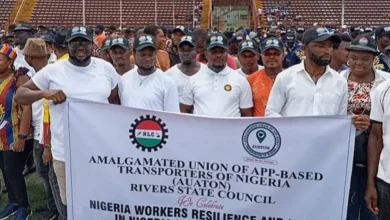
However, IPMAN and other stakeholders, including the National Association of Road Transport Owners (NARTO), argue that the levy is burdensome, lacks transparency, and was implemented without adequate consultation.
“The Lagos State Government insists on rolling out the policy on its own terms, despite the unresolved concerns raised by industry players. Several rounds of engagement have yielded no result,” said Akanni.
Government’s Plan: Traffic Control or Financial Trap?
To support the E-Call-up rollout, the state government has approved the development of seven dedicated truck parks along the Lekki corridor. These parks are equipped with restrooms, kitchens, and electricity in a bid to improve driver welfare and logistics efficiency.
Still, IPMAN maintains that the infrastructure is insufficient, and the policy, in its current form, only adds to the cost of doing business in an already challenging economic environment.
What You Should Know
-
The E-Call-up system is a digital scheduling platform aimed at regulating truck movements to ease traffic.
-
The Lekki-Epe corridor is a vital route linking Lagos to numerous economic hubs including Dangote Refinery and the Lekki Free Trade Zone.
-
IPMAN is calling for a total halt of fuel truck operations along this corridor until the policy is reviewed.
What Happens Next?
The Lagos State Government has not yet issued an official response to the boycott. However, with IPMAN’s national leadership backing the directive and other stakeholders voicing similar frustrations, pressure is likely to mount in the coming days.
If not swiftly addressed, the protest could paralyze fuel logistics in and around Lekki, potentially triggering fuel shortages and transport disruptions that ripple across Lagos and neighboring states.
Stay tuned for updates as this story develops.