Sanwo-Olu Addresses Rumoured Rift with President Tinubu: “He Is My Father, My Leader”

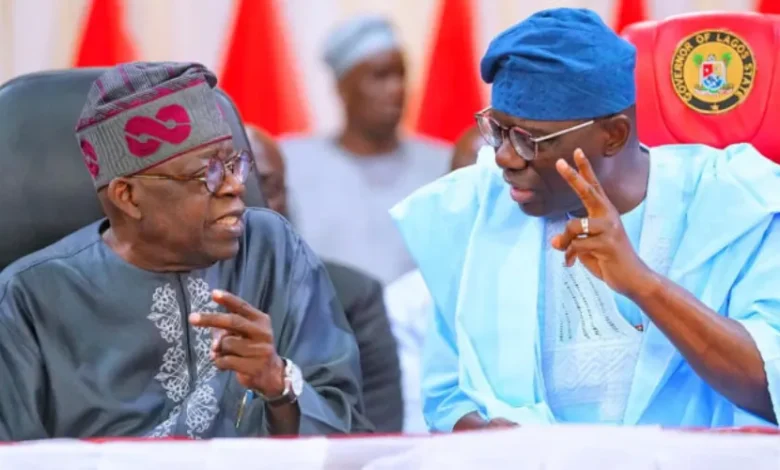
Lagos State Governor, Babajide Olusola Sanwo-Olu, has firmly denied reports suggesting a fallout between himself and President Bola Ahmed Tinubu. Speaking in an interview with the Nigerian Television Authority (NTA) on Sunday, June 8, 2025, the governor dismissed claims of any rift, describing the president as his “father and leader.”
The governor’s remarks come amid swirling media speculation following a series of events that led many to question the state of their relationship.
What Sparked the Speculation?
Rumours of discord began to circulate after President Tinubu attended the commissioning of the Lagos-Calabar Coastal Highway on May 31, 2025. The high-profile event, which marked the opening of a 30-kilometre stretch of the ambitious highway project, saw the president flanked by prominent figures such as Senate President Godswill Akpabio, Nobel Laureate Wole Soyinka, Finance Minister Wale Edun, and several governors, including Sanwo-Olu himself.
However, videos from the event went viral online, showing President Tinubu shaking hands with dignitaries seated along the front row—until he seemingly bypassed Sanwo-Olu without a handshake. The clip, widely circulated and scrutinized, fueled speculations of a rift between the two prominent Lagos politicians.
Further intensifying the rumours was Sanwo-Olu’s absence at another presidential function: the commissioning of the Lekki Deep Sea Port Access Road at the Dangote Refinery in Lagos. In a statement from the presidency, a list of attending governors did not include Sanwo-Olu, despite the event being hosted in his own state.
Sanwo-Olu: “There’s Nothing at All”
In response to questions about the alleged tension, Governor Sanwo-Olu appeared relaxed and smiling during his NTA interview. He dismissed the rumours with a mix of humour and clarity.
“Did you see any discord? Did you see any? Can’t you see I’m smiling? There’s none,” he said.
He went on to criticize those amplifying the speculation, stating,
“There are people who believe they are more Catholic than the Pope… There are things you see people do; they cry more than the bereaved.”
Reiterating the strength of his relationship with President Tinubu, Sanwo-Olu added,
“You know, father and son are things we always, always ensure we are clear. There’s nothing at all. He is my father, he is my leader, and we are grateful that he gave us the audience today to come in and say hello to him.”
According to reports, the governor and members of the Lagos State Governor’s Advisory Council (GAC) had met with President Tinubu earlier that same day at his Ikoyi residence, lending further credence to Sanwo-Olu’s claims of continued alignment.
Public Reactions and Political Undercurrents
Despite the governor’s public denial, some political commentators and social media users remain unconvinced. Critics point to recent political undercurrents and subtle shifts in public appearances as signs of a cooling relationship between the two leaders.
President Tinubu, widely regarded as Sanwo-Olu’s political mentor and a key figure in the governor’s rise, has historically maintained close ties with Lagos State’s political leadership. Any signs of strain between them naturally spark interest, especially with national and state elections looming on the horizon.
Nonetheless, Sanwo-Olu’s public affirmation of loyalty and the symbolic meeting with Tinubu suggest a strategic effort to put the rumours to rest and present a unified front.
The Bigger Picture
Whether these incidents were simply protocol missteps or indicative of deeper political dynamics, one thing is clear: the spotlight on the Tinubu–Sanwo-Olu relationship reflects their significance within Nigeria’s political landscape.
For now, Governor Sanwo-Olu appears keen to assure both supporters and skeptics that all is well between him and the president.
“There’s nothing at all,” he insists. “He is my father, he is my leader.”
As Lagos continues to play a central role in Nigeria’s economic and political affairs, the cohesion—or lack thereof—between its governor and the country’s president will remain a focal point of national interest.